This Week at Liberty
January 13, 2026

Hoots, Howls, and Hollers
Megan Mosby
Executive Director
Nature-Safe Pest Control
A good way to start the new year is to think of ways to help wildlife while dealing with “issues” that are of the pesty persuasion…bugs and rats to name a few.
The Abert’s Towhee Story
Before you plan to rid the yard of pests, you might consider a handsome little bird that makes Arizona proud. If you are fortunate enough to provide a home for an Abert’s towhee couple, you will want to know how special they are. Abert’s towhees are only found in Arizona (except for a few outliers who have drifted across state lines that they don’t recognize!). This makes the species one of the smallest total distributions of any U.S. bird…all being here in our state.
They also mate for life, not wasting time on lengthy annual mating behavior. They get right down to business! And they are very beneficial with about 95% of their summer food coming from insects…which could be the insects in your own yard. So don’t call the exterminators. Don’t use expensive pesticides. Leave them for the towhees! Imagine how sad it would be to have this special little couple trying to forage and breed in your yard only to be disappointed by a dearth of insects to fortify their successful breeding season.
And, another hidden benefit…ok this might be a stretch, but it isn’t inconsequential. The towhees bring other visitors with them. A serious birder, of which there are many, has to travel to Arizona to be able to list this special guy on his life list. There is an unintended consequence, in a commercial sort of way, what with travel and associated expenses adding to the coffers of our community. That counts. So, let the lovely towhee couple work the natural insecticide angle…don’t spray and instead encourage the Abert’s towhee to stay and play!
Rats! What Can You Do?
If you thought for one second about using any rodenticide at all to deal with pesky rats…stop now! Despite some efforts to make you believe the poison stays just in the rat (the bane of your existence), and doesn’t get passed up the food chain, we know better. Ask people who bring in a poisoned and dying baby great horned owl,(coincidentally a natural predator to the rat). Sadly that person who is attempting to rescue the poisoned owl has hope that we can save them before they totally bleed out. Trust me, we rarely can. Sad and completely unnecessary. And isn’t always a baby great horned owl—it could be your cat or dog who found the dying rat. The outcome is the same…not good!
Instead of going the rodenticide route, try using a product by Sensetech named ContraPest. It is designed to reduce the reproductive capacity of rats. Female rats can have 6 to 12 litters annually with up to 10 babies in a litter. Those new babies can give birth every 3 weeks and those babies can reproduce every 4 to 5 weeks…Do the math. It is exponential. But if they can’t reproduce, thanks to your use of this product, your problem will be manageable.
Finally, if you must trap, use a snap trap. It is quick and humane, and doesn’t have unintended consequences. The birth control method of rat control might seem like a slower process, but it is effective. Just remember always that following all safety procedures is of paramount importance.
Final Thoughts
Starting the year pest free sounds like a good plan, just remember that downstream other things are impacted. We live in a connected world, and all of the connections need to be considered. The cricket, roach, ants and rat trials and tribulations don’t have to be so odious if you consider alternatives to the traditional solutions. Think about your wildlife and pet populations before you act on cleaning up your space.
This Week @ Liberty
The intake total for the year is now up to 115.
It’s been a cold start to 2026. In fact, if you’ve watched the news at all, 2025 was one of the wettest years Arizona has had in almost a century! And while I’m happy for the rain, it means wind plus super cold nights and I have to be honest…I am not built for this kind of weather. I can’t, however, complain too much about it, because once those hot temperatures reach us, I’ll remember why I don’t mind the chilly nights.
All that being said, 2025 ended with a total of 9,259 intakes. While it’s a drop from 2024 (where we took in 10,414 animals), that’s still 9,259 animals people recognized were in need of help, brought to our doors, and we were able to assist in every way, shape or form we were able. So, cheers to that, and cheers to helping all those who come in 2026.
By: Acacia Parker | Public Outreach Coordinator
Lure of the Wetlands
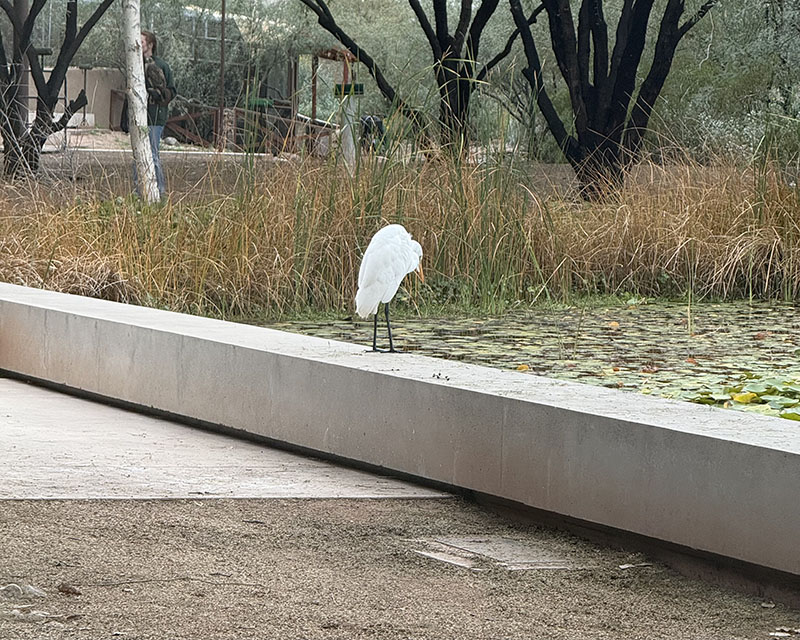
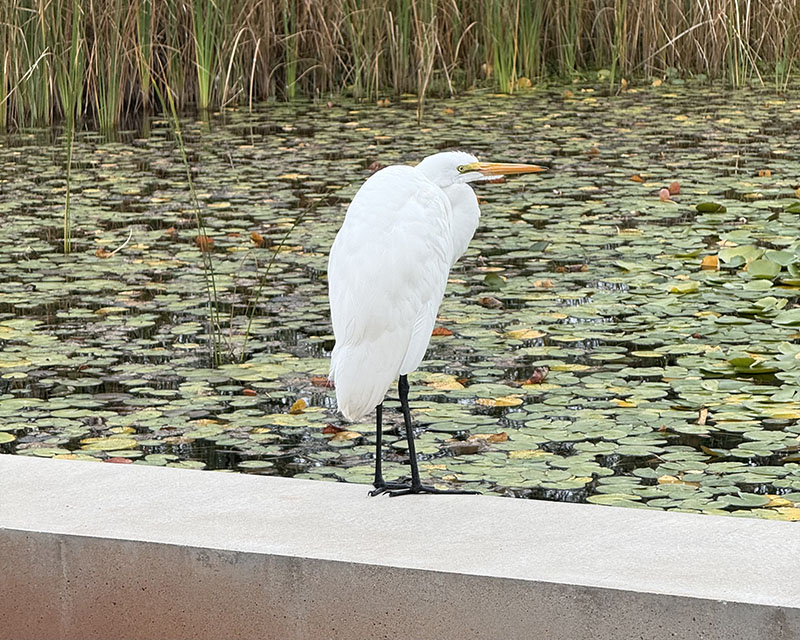
The wetlands are an integral part of Liberty Wildlife. It’s one of the first things you see when you walk through our doors to our education side and one of the last things you see when you leave. The wetlands are home to bullfrogs, koi fish, goldfish, toads (of who shall not be named), as well as the random visitor who happens to fly in on their journey to wherever they’re going.
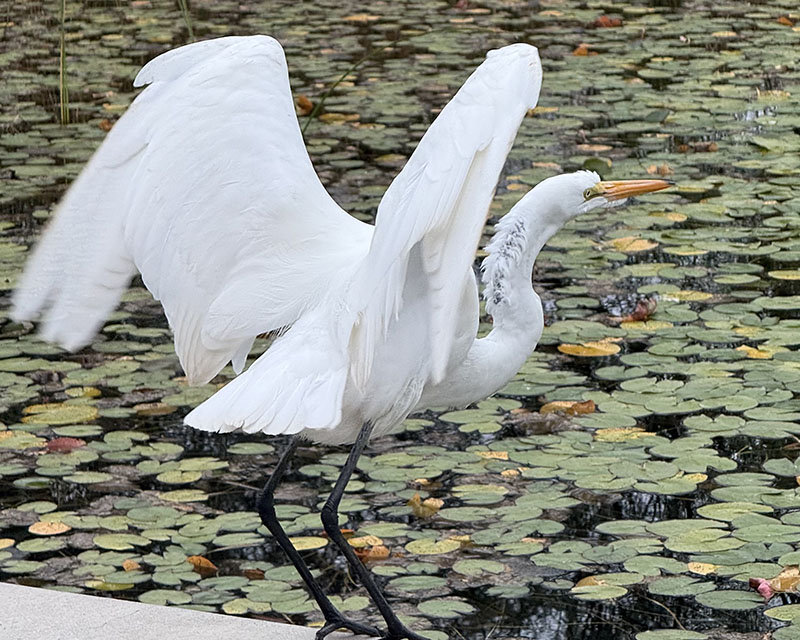
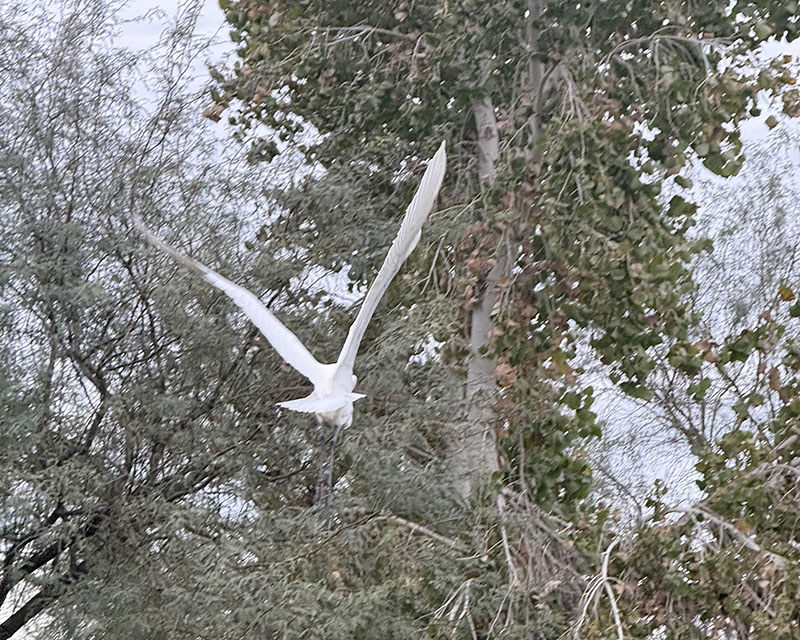
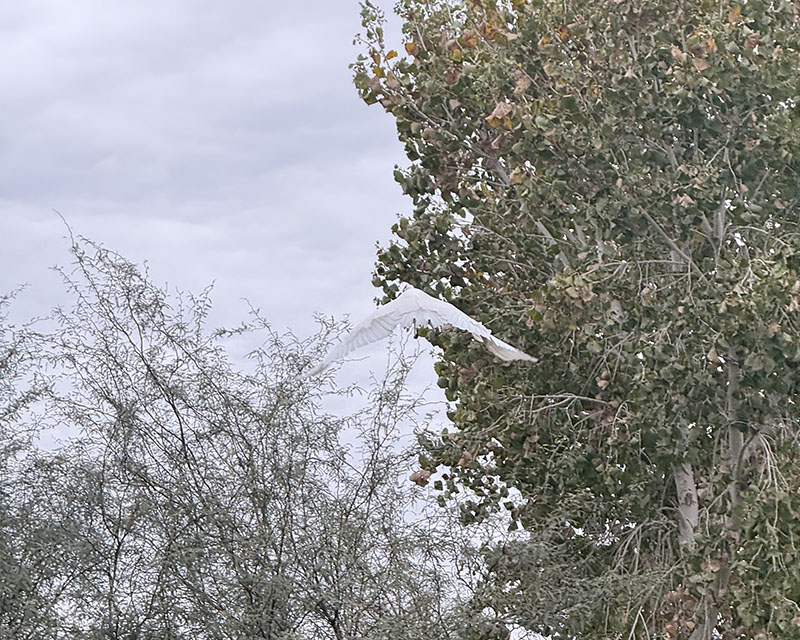
Cue the great egret who’s made several stops here over the last few weeks. These tall, long-legged birds (smaller than a great-blue heron) like to wade in shallow water for their food. While they hunt in broth fresh and salt water, they enjoy fish, frogs, small mammals, dragonflies and grasshoppers (and sometimes reptiles and other birds). They stand stock still, and once they spot what they’re going for, they strike (stab might be a better word here) with their sharp beaks. You’ll find these birds anywhere where freshwater or marine wetlands are, and during migration they will stop and hang at similar sites (like our wetlands).
Fun fact: during breeding season, adults will grow long plumes on their backs, which they will then use during their courtship displays. The males will preen their wings, duck their heads, then hold and shake twigs in their bill along with stretching their neck. It is for this reason that almost 95% of their population was killed in the late nineteenth and into the early twentieth centuries; the plumes were used to decorate hats, and since hunting them was banned in 1910, the population has made a great recovery.
So, even though we aren’t open to the public every single day, it seems that we still have visitors come by regardless. Which, to be honest, we’re okay with, he’s not bad to look at!
Notable Mentions
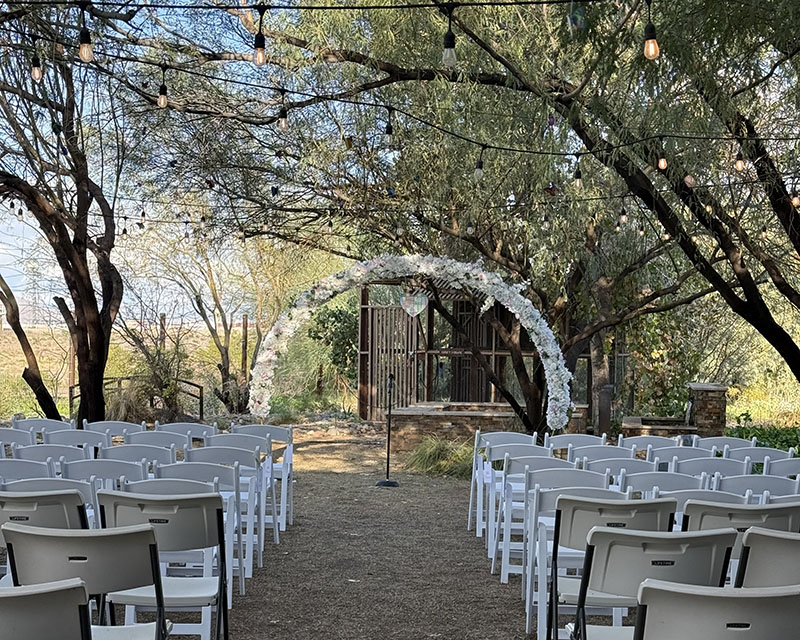
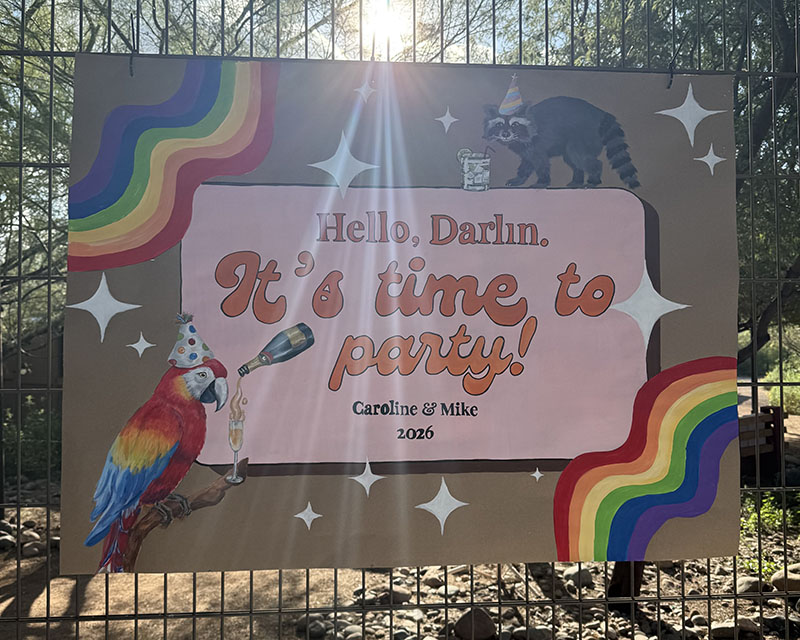
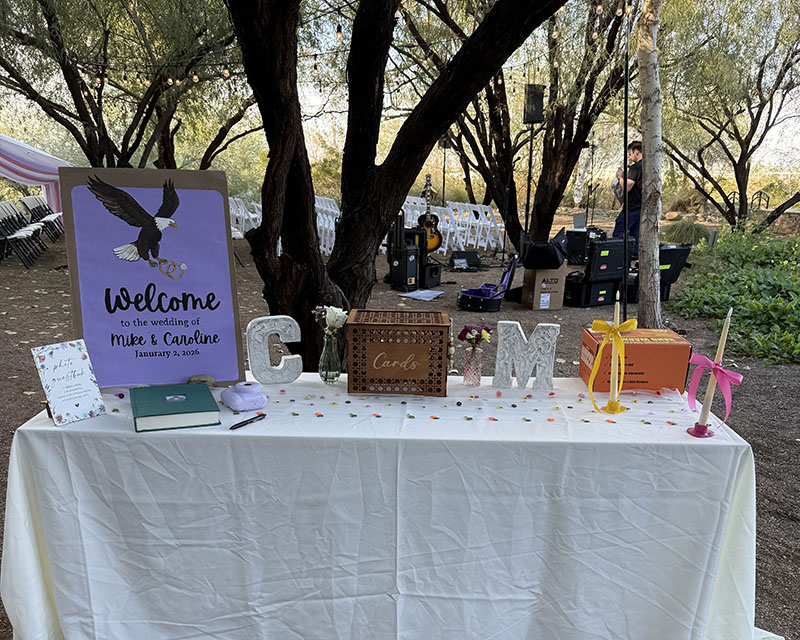
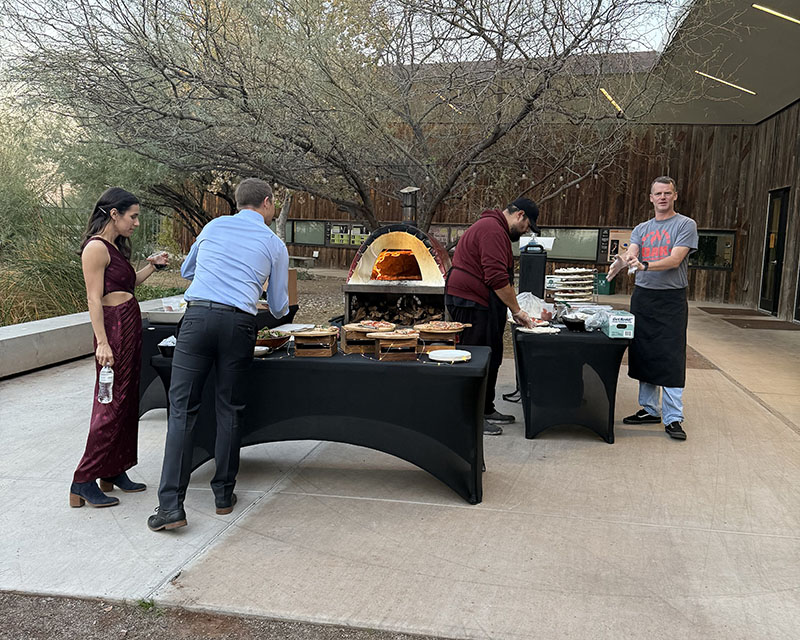
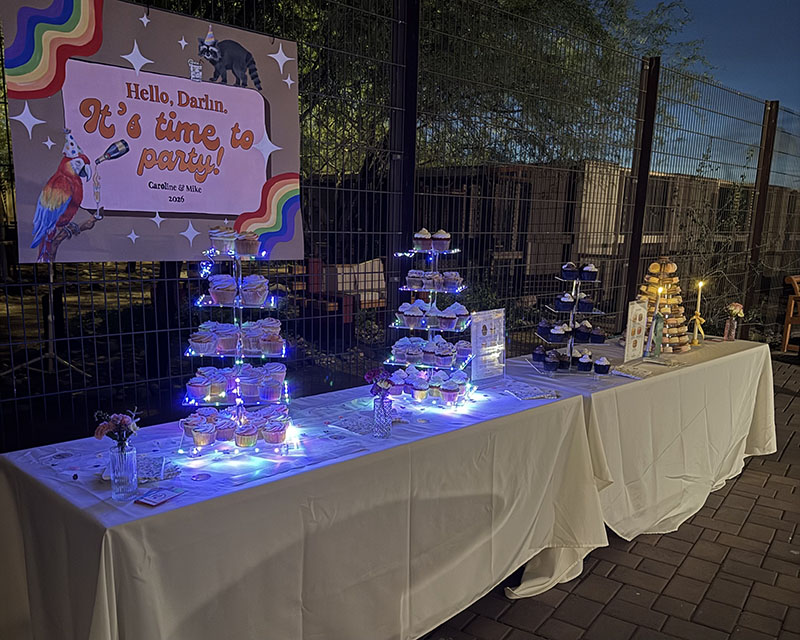
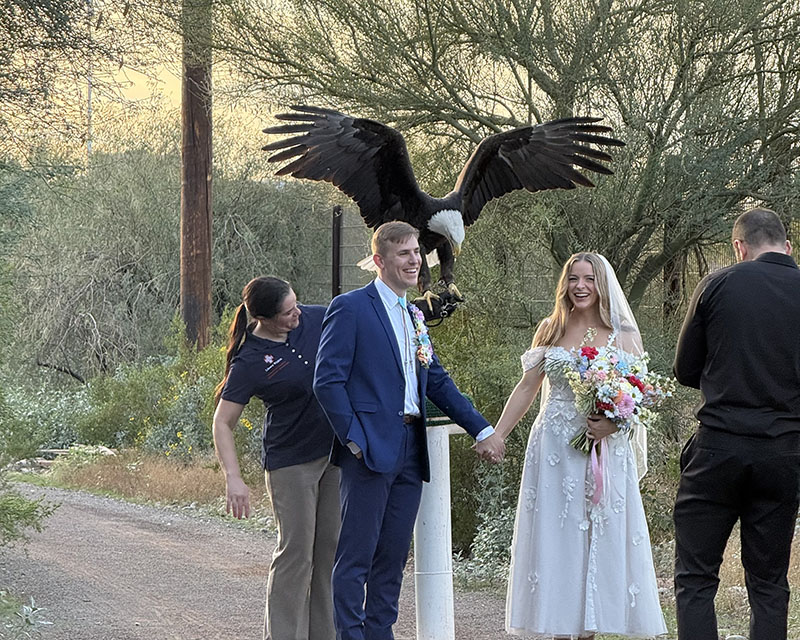
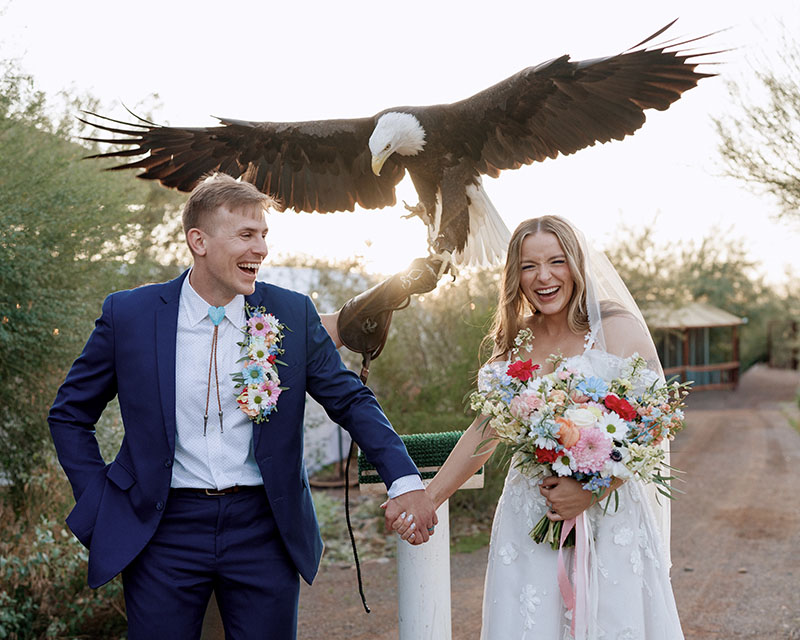
We went off with a bang in 2025 and started off strong in 2026. The public has kept us busy during open hours on Wednesday, Saturday and Sundays from 10am-1pm (with over a hundred people joining us one of those days), and an on-site wedding on January 2nd (with nearly 130 people!) certainly kept us on our toes.
Without further ado, here are this week’s notable mentions:
- A wedding to start off the year; congratulations to Caroline and Mike on their big day! (9 pictures)
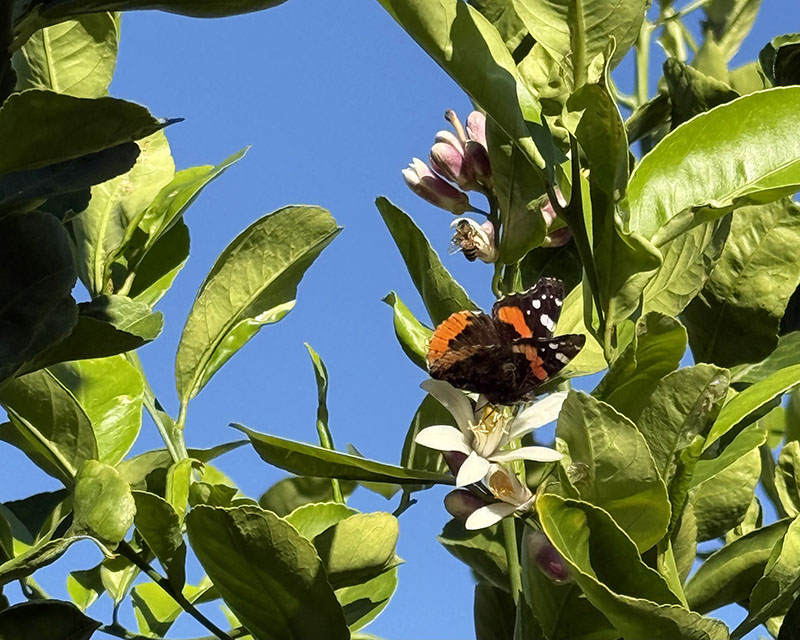
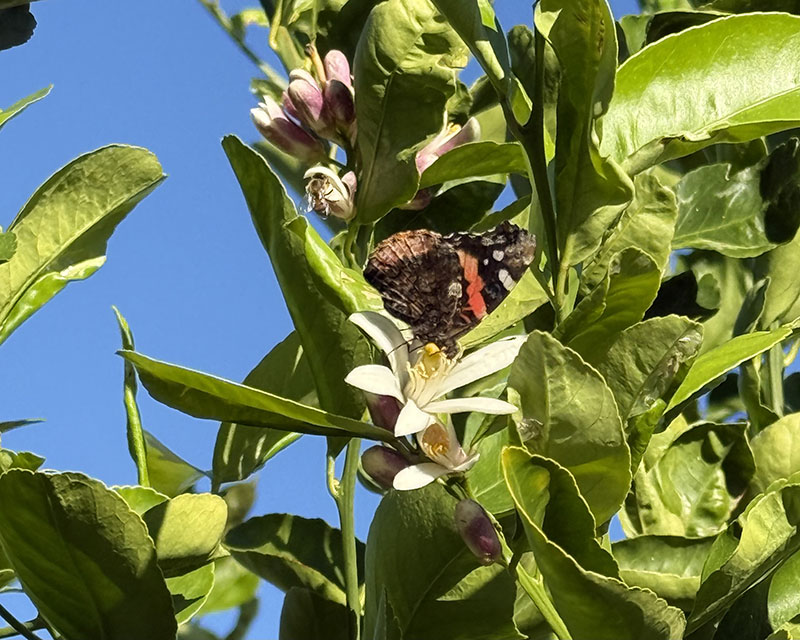
- A beautiful butterfly stops by for a quick hello (2 pictures)
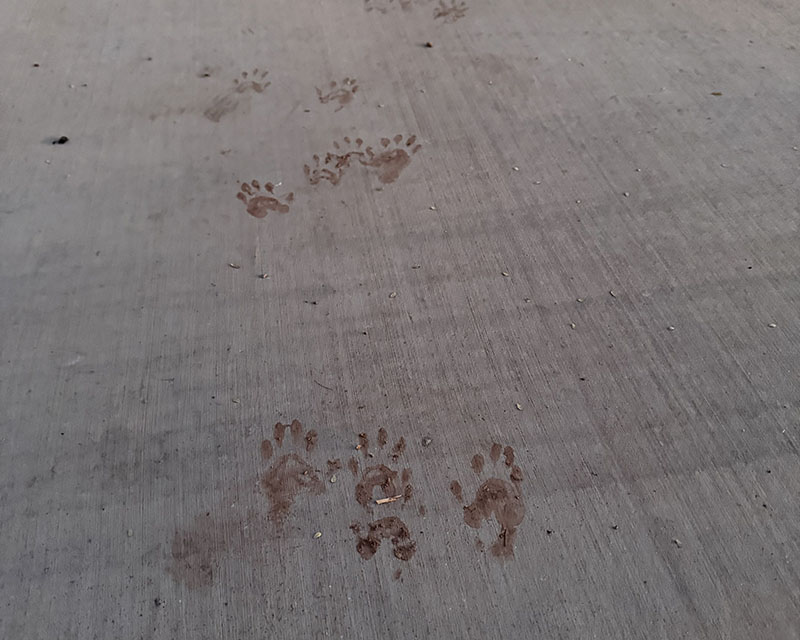
- Wild raccoons walk through the mud and leave fun prints on the front sidewalk (1 picture)
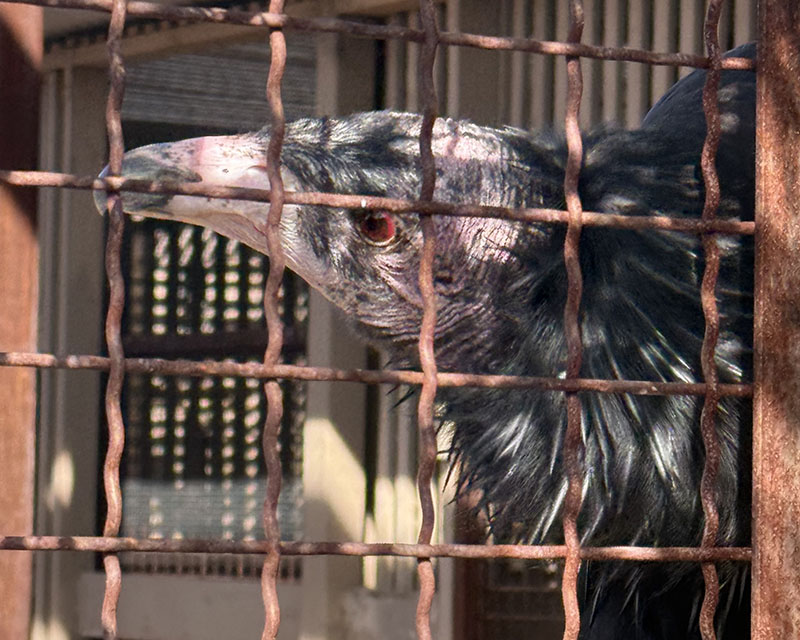
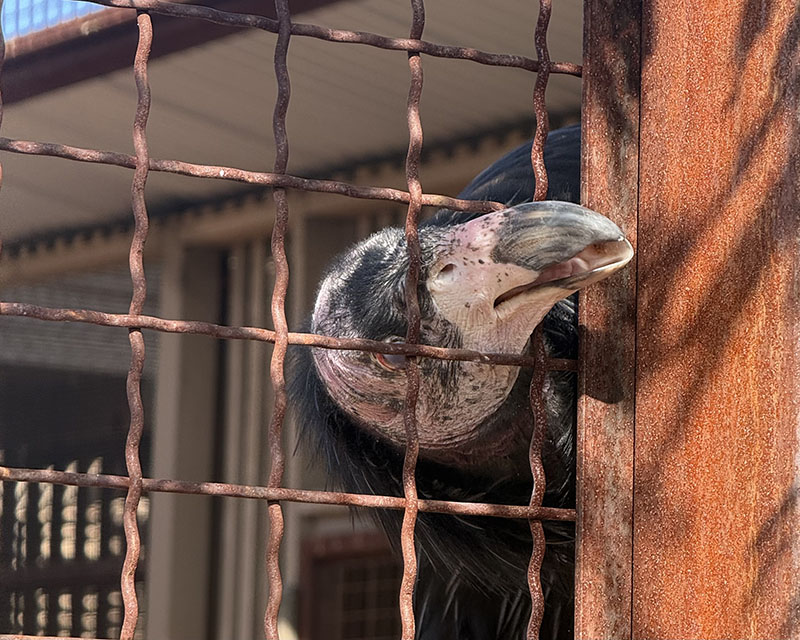
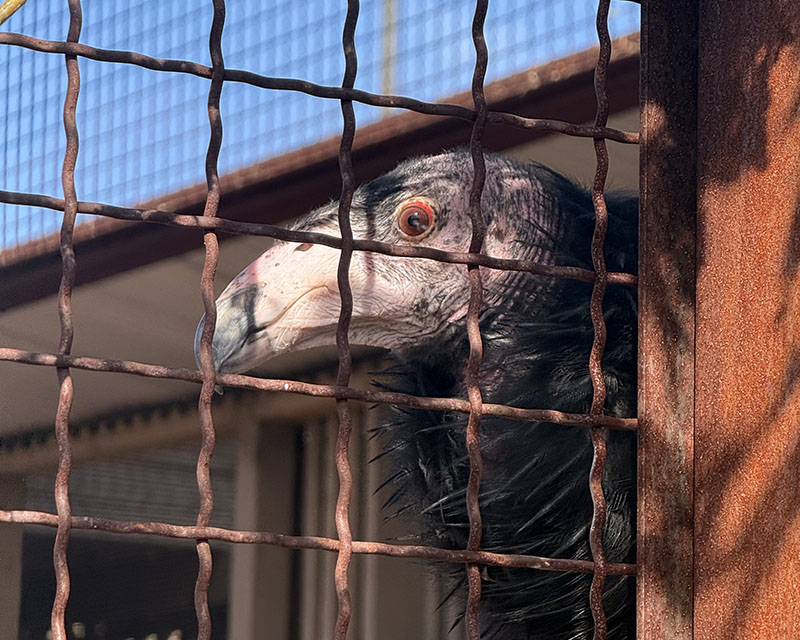
- Millie the California condor is curious as always (3 pictures)
As always, thanks so much for hanging with us year in and year out. I’m excited to see what this one brings.
Until next time!


More Posts from Liberty Wildlife
March 10, 2026
We planned for months, of course. That is what you do when you have 22 artists, 13 conservation groups, 4 musical acts, a nature and interpretive walk, and native wildlife on display.

© 2026 Liberty Wildlife - Privacy Policy