Nature News
March 27, 2026
Nurturing Nature
By: Carol Suits
Liberty Wildlife Volunteer
Kid Stuff
Spring is here!
There’s lots going on! Let’s see what’s happening!
It’s time to check outside to see if plants are growing, birds are building nests, and rabbits are making little burrows to raise babies. You can make your backyard a great home for all the plants and critters!
Bee A Habitat Helper
Habitat is the natural home or environment of an animal, plant, or other organisms. Like people, they all need homes in order to thrive. That means they need food, water, shelter and space.
You can create some habitat by providing food, shelter, and water for wildlife outside your home.
Some ideas:
- Build nest boxes and bee homes
- Build a home for bees: https://www.thegreenhour.org/activity/build-a-home-for-bees /
- Have plants that feed birds or insects
- Make water features
- Off the ground water like a bird bath
- On the ground water like a butterfly puddler or water for mammals
Make your backyard a wonderful bird habitat!: https://thegreenhour.org/activity/backyard-gifts-for-birds/
Spring is the time we celebrate Earth Day. We celebrate the wonderful planet we live on and find ways we can help the earth. If you’re already helping to make your backyard a happy home to plants and animals, YAY for you!
If you’d like more ideas about how to help nature, you might like one of these books!
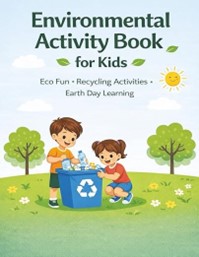
Environmental Activity Book for Kids: Eco Friendly Games, Recycling Activities & Earth Day Learning Fun | Feb 24, 2026
This Environmental Activity Book for Kids is filled with eco-friendly games, recycling challenges, and nature activities that teach children how to protect the Earth through hands-on learning and creative play.
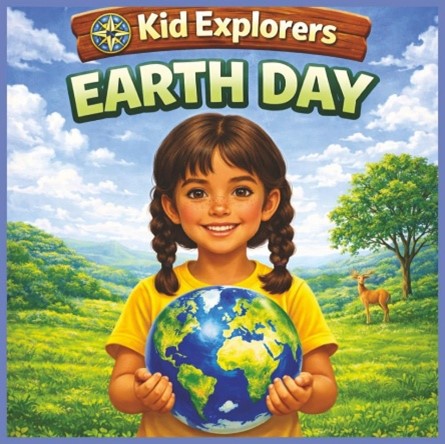
Kid Explorers Earth Day
A global adventure through nature, history, and how kids around the world protect our planet. – February 28, 2026, by Kay Jamieson (Author) Ages 7 – 10

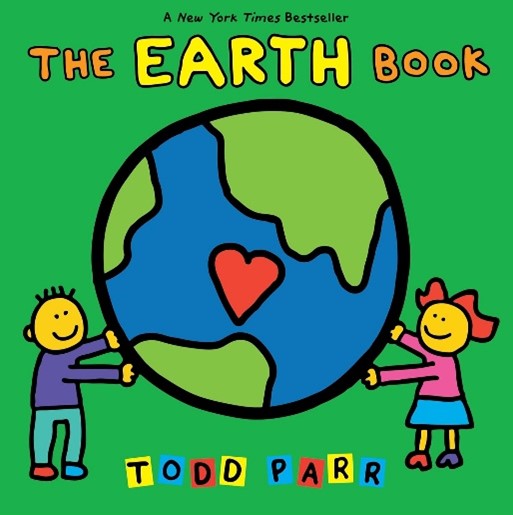
The Earth Book
The EARTH Book – Picture Book By Todd Parr (Author) Ages 2 – 5
This homage to our beautiful planet from New York Times bestselling author Todd Parr is the perfect simple introduction to environmental protection and conservation.
“I take care of the earth because I know I can do little things every day to make a BIG difference…”
Spring is the time for lots of babies!
Meet Big Red and Arthur, red-tailed hawks, and their baby egg.
Big Red is a female red-tailed hawk that laid an egg on March 23, 2026. Watch as Arthur, the male red-tailed hawk leaves the nest and Big Red takes over incubating her egg. Will she lay more eggs? Usually, a red-tailed hawk will lay between 2 and 3 eggs. Keep checking in on Big Red and Arthur to see if they have more eggs!
Puzzles and Downloads!
Happy end of March! Enjoy a puzzle to wind down for the day! Plus download Nature News: Kids’ Stuff to save the fun for a future date!
The Magnificent Egg
By: Gail Cochrane
Liberty Wildlife Volunteer
One of the more pleasing miracles of nature is a bird’s egg. With a comforting shape and smoothness, and delicate hues, the exquisite egg is a symbol of the wonder of creation. A female bird produces eggs and, sometimes in partnership with the male, incubates and watches over them. Inside, the embryo develops into a young bird that will perpetuate the species.
The shell of the egg encloses and protects the embryo as it grows rapidly, nourished by nutrient rich yolk. Thousands of tiny pores in the shell allow the embryo to breathe, to take in oxygen and give off carbon dioxide and water.
The dome shaped structure of the eggshell utilizes the engineering principles of an arch, making the egg strong despite no internal support. The shell is thick enough to withstand the weight of the mother yet thin enough that the ungainly hatchling can peck its way out. The demand for calcium to produce eggs is very high and the level of blood calcium in birds is twice that of mammals.
Precocial birds that nest on the ground deposit a cryptic coloring on their eggs’ shells to help hide them from predators. These eggs also contain a larger yolk with more nutrition for the embryo as it takes longer for these birds to develop before hatching. Precocial hatchlings are covered with down, have their eyes open, and will be ready to run after their parents within hours of breaking out of the shell.
Altricial birds hatch naked, with eyes sealed shut and are absolutely dependent on the parents’ care for a period of time. Altricial birds protect their eggs by placing their nests off the ground. Elevated nests are still exposed to flying predators, so most altricial eggs are patterned to blend into the leaves and twigs of the nest site. Birds such as hummingbirds that weave nearly invisible nests tucked deep inside a tree or shrub produce white eggs.
Depending on species and availability of nutrition, a female bird may lay one egg or a clutch of twelve. Eggs are shaped in different ways to best suit the nest site, the environment and the number of eggs. Quail eggs are pointed on one end so more can fit in the nest.
How does a bird create eggs? Its almost like an internal assembly line. During ovulation the follicle ruptures and an egg is released covered with concentric layers of yolk. It travels through a tube called the oviduct where it is coated with albumen in a process that takes several hours. This substance is about 90% water and 10% protein and acts as a shock absorber and a water supply.
The egg then moves further through the bird’s body to the isthmus where shell membranes are deposited over the course of about an hour. These membranes protect the embryo from bacteria and dehydration. It is through blood vessels in the membranes that the blood absorbs oxygen to carry to the developing embryo.
The egg moves next to the uterus where calcareous shell is added, and where pigment is excreted onto the new shell. In each species this pigmentation follows nearly identical characteristics on every single egg. Amazing.
The female must now lay her eggs and incubation begins.
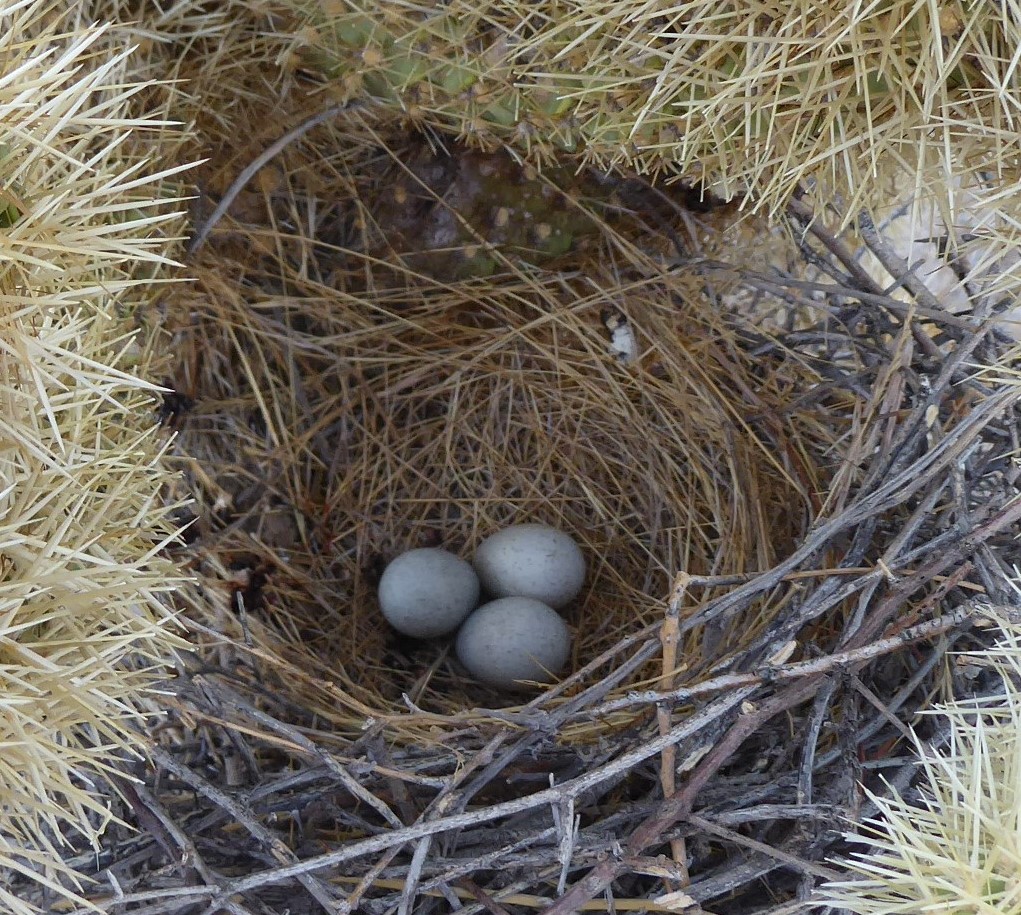
Fun Nest Facts
By: Claudia Kirscher
Liberty Wildlife Volunteer
Not just a pile of sticks, nests are truly a marvel of nature. Nests can be as big and heavy as a car, like an old eagle‘s nest, while some can be tiny as a walnut like the nest of a hummingbird.
Bald eagles build strong nests and use them year after year. They make improvements and add to the nest, it can weigh over a ton! Nests have been found to be 10-15 feet deep and estimated to weigh 2 tons!
Many birds “glue” their nests together with materials like spider webs (to give the nest stretch for expansion as the nestlings grow), silk, mud, lichen (for camouflage) and even their own saliva. A swallow’s mud nest can take up to 1200 trips to build.
Many birds use aromatic plants such as lavender, mint, evergreens, eucalyptus and grasses to line their nests. They will refresh these plants throughout nesting. It is thought the plants help fight off bacteria living in the nest debris. Some birds have been seen to use cigarette butts in their nests. Possibly the nicotine helps to deter parasites.
Most cup nesters use rough, scratchy material for the outside (this gives protection and camouflages the nest), and put soft material like moss, fur, feathers, and cotton on the inside. Tufted Titmice often line their nest with animal hair. They have been known to pluck those hairs from live animals.
Not all birds build nests. Cowbirds lay their eggs in other birds’ nests and the hatchlings are raised by the host parents.
Some birds will use abandoned homes from other animals. Burrowing owls are known to use prairie dog burrows to raise young. Burrowing owls will also use manmade burrows.
Great-horned owls reuse nests built by other species and don’t make any improvements. Small owls use old woodpecker nest holes in saguaro cactus.
Many cavity-nesting birds like the wood duck will use nest boxes.
Nest sites can be used repeatedly, often building right on top of the old nest. An active Gyrfalcon cliff nest was radiocarbon dated to be around 2500 years old. Nests come in a variety of shapes and sizes. Some birds even nest communally:
Often multiple nests are built by the male. The female will then choose what she feels is the best nest. The Verdin builds nests for both breeding and roosting. The roosting nests help it stay warm in winter. Abandoned roosting nests are often used by other birds in the winter for warmth.
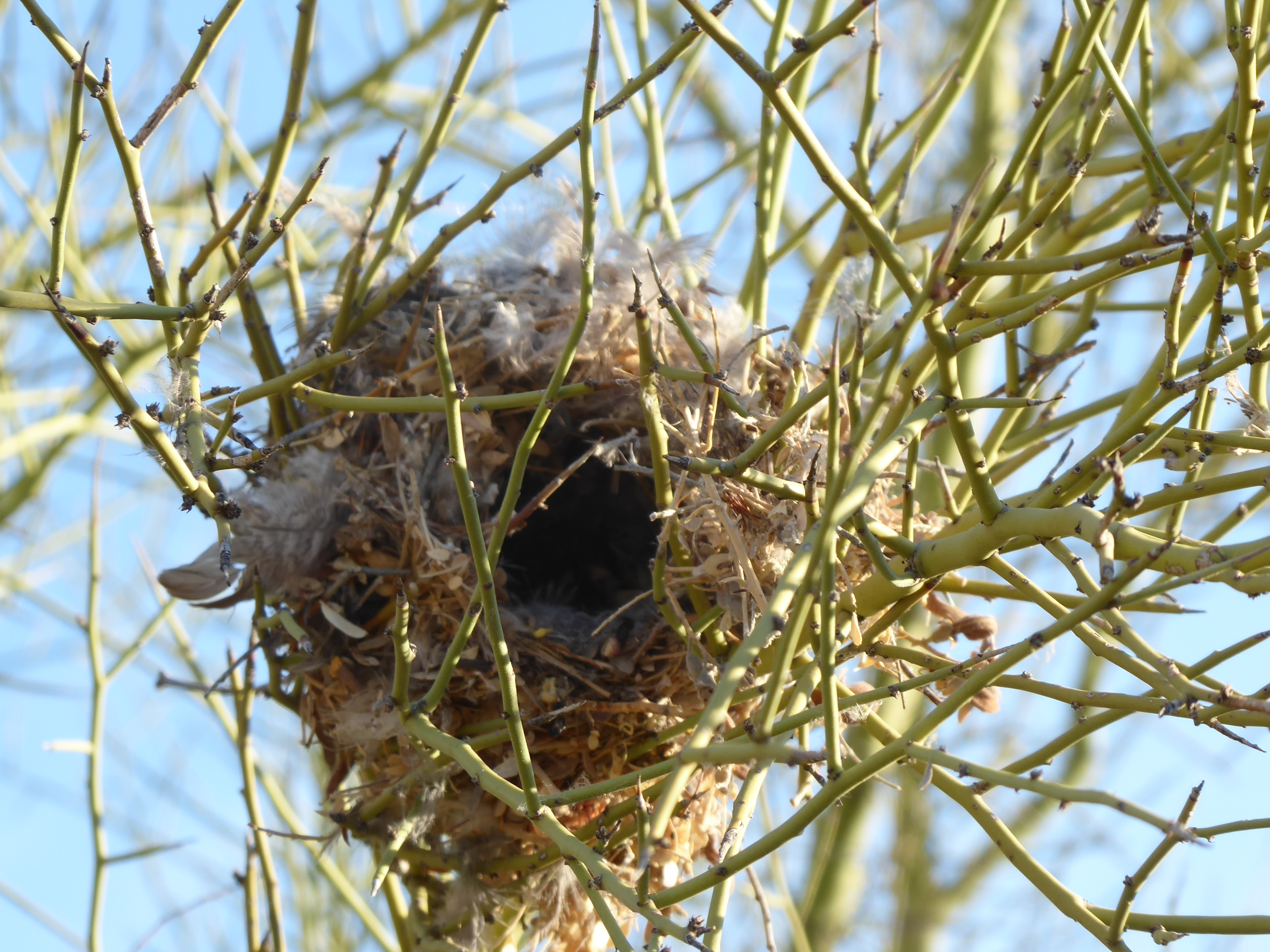
For protection from predators, many desert-dwelling birds build in a cholla cactus, palo verde, mesquite, or other desert vegetation where the nest is surrounded by thorns.
A few water birds (like grebes and loons) build platform nests right on the water, where they can float. The nests are anchored to plants that are attached to the bottom of the body of water. These birds build nests on water because they don’t walk well on land, so they can swim to their nests.
Shorebirds align the pointed ends of their eggs toward the center to pack the eggs into the tightest space for incubation.
Cliff ledge nesters such as Peregrines and some seabirds have an oblong shape of the egg which allows it to spin in a circle, making it less likely to roll off the ledge.
In some species of nesting birds, the nestling waste products are discharged in a mucous membrane called a fecal sac, generally white or clear with a dark end. The parents keep the nest clean by removing these far away from the nest.
Screech owls bring live blind snakes to their nestlings. Some of the snakes are eaten but most live in nest debris, where they eat soft-bodied insect larvae from the decomposing nest debris.
Nests can be built in (what seem to us) the oddest places.
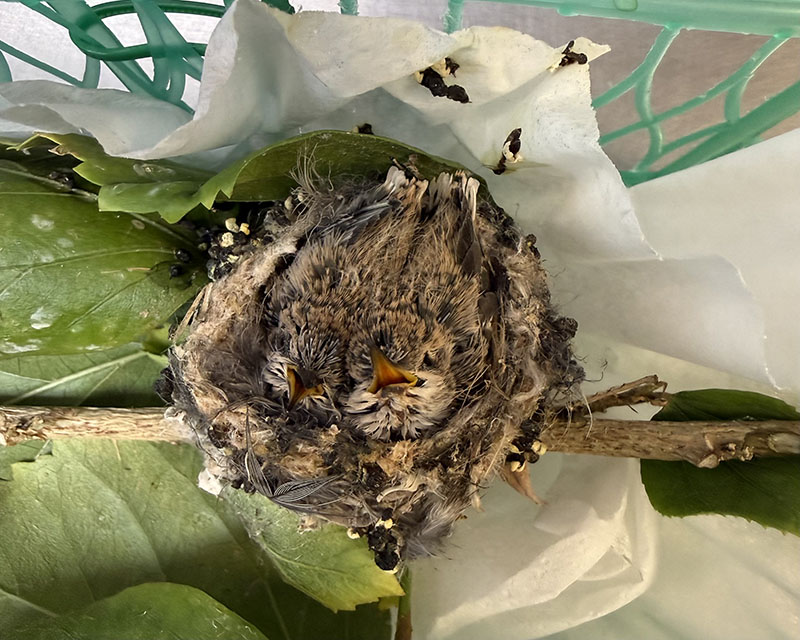
Baby birds have brightly colored beaks and mouths that show the parent where to put the food.
Resources: kids.kiddle.co; birdsandblooms.com; Tucson.com; mentalfloss.com; Wikipedia
Original publication April 2020


More from Nature News
© 2026 Liberty Wildlife - Privacy Policy