Nature News
January 29, 2026
Nurturing Nature
By: Carol Suits
Liberty Wildlife Volunteer
Kid Stuff
Kid Stuff is all about kids and nature. This month there’s news about what kids are up to on the Liberty Wildlife Campus followed by a peek at a new kids’ display in the making!
Superheroes (Grades K – 3)
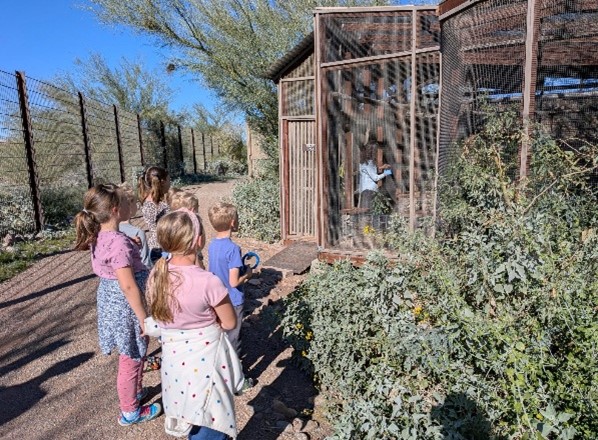
The Superhero Club with Rachael, Liberty Wildlife educator, were excited to learn about the importance of riparian areas in nature, and how everything works together to make riparian areas beautiful and beneficial. They visited “Junior” a black-crowned night heron, and an example of a riparian denizen. Mosaics made of clay and beans were fashioned to represent this concept.

Nature Explorers (Grades 4 – 6)
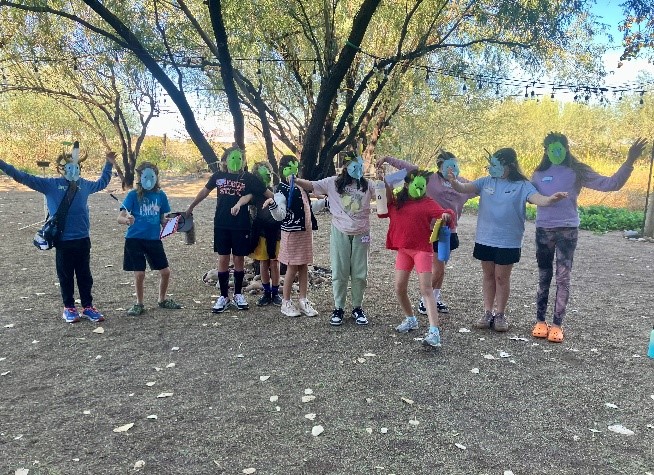
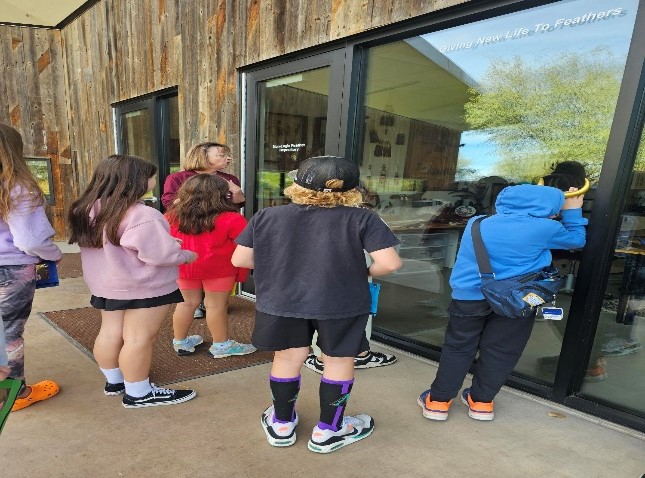
The Nature Explorer Club is meeting for a four-week Nature’s Adaptations Workshop. Liberty Wildlife educator, Gail, challenged the group to discover bird adaptations in bird beaks. Masks were fashioned to reflect the differences. The group also divided into “Team Rock Pile” and” Team Brush Pile” to build reptile shelters.
StoryWalk – Coming Soon!
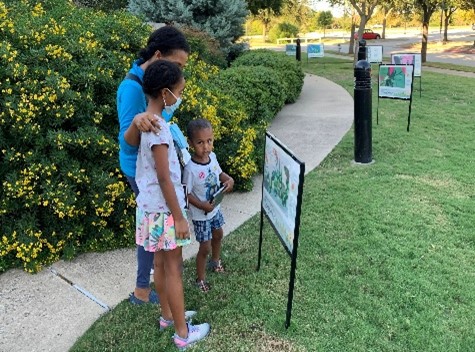
What is StoryWalk?
Pages from a children’s picture book are attached to stakes and lined along a path. Families move from page to page, reading as they walk. StoryWalk promotes early literacy, outdoor activity, and family time together in nature.
Stay tuned for updates!
Puzzles and Downloads!
Happy end of January! Enjoy a puzzle to wind down for the day! Plus download Nature News: Kids’ Stuff to save the fun for a future date!
Early Spring and Bird Count Time
By: Gail Cochrane
Liberty Wildlife Volunteer
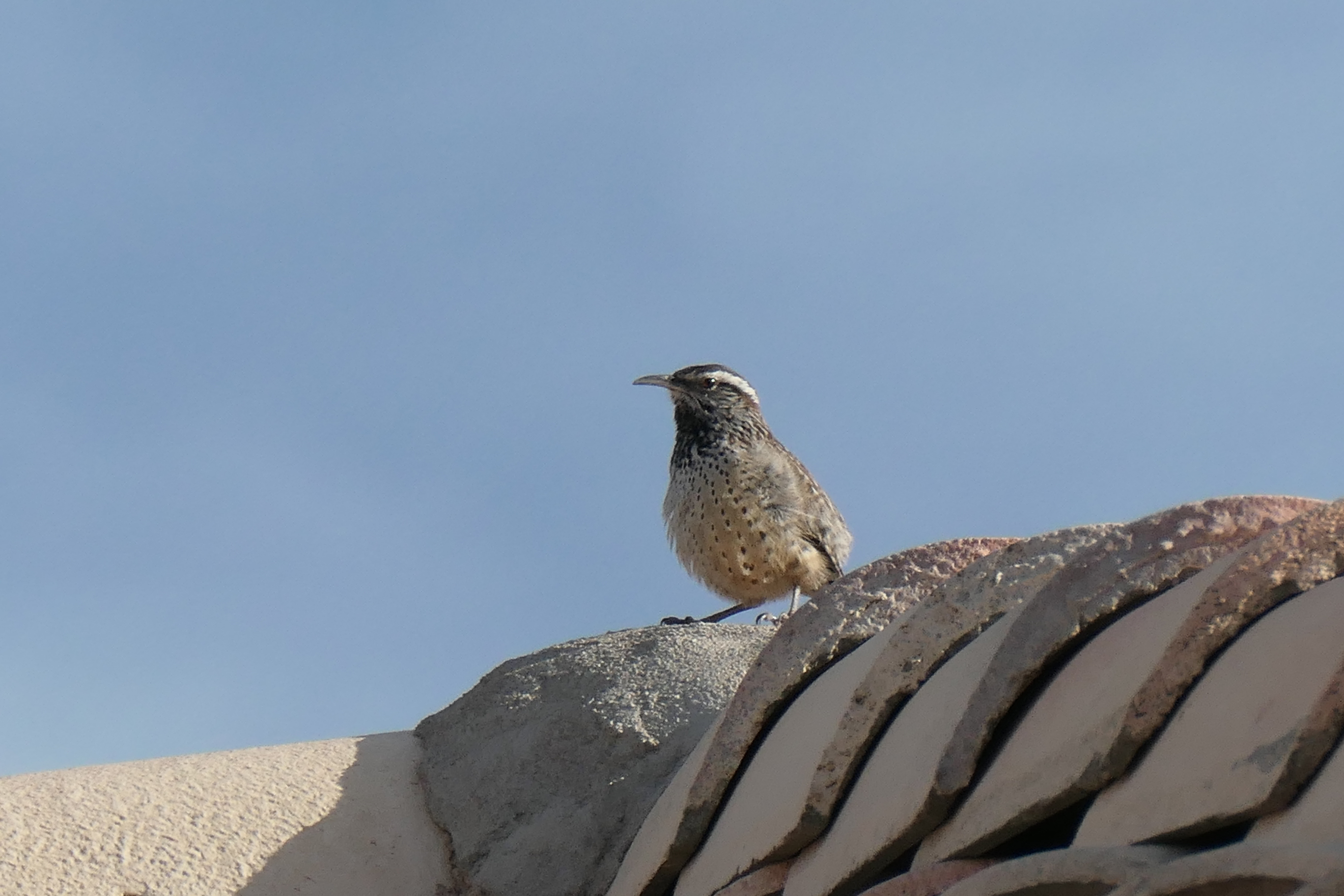
Spring started last week! Yep, already in January, birds are singing, perching, pecking about in the undergrowth, and circling overhead. It is unseasonably warm, even for the desert. But it isn’t really temperature that brings about the bird activity, it’s the sudden flush of food available.
The rains of fall and early winter contributed to a green carpet of growth across the desert floor. Shrubs and annuals sprouted and developed flowers. I see vibrant purple scorpion weed in the desert, sturdy yellow fiddlenecks and rabbit bush flourishing fluffy heads of bloom. Brittle bush wave cheery blossoms and creosote present flowers and fluffy seeds. The blooms draw pollinators and quickly turn to seed heads. Nectar feeders, insectivores, and seed eaters find a bounty of nourishing food.
The plant growth provides greens and seeds for small mammals as well, and this is food for raptors from red-tailed hawks to great horned owls. These large predators are already courting and establishing nesting territories. It’s good timing for birders, because the Great Backyard Bird Count is just around the corner.
It is easy to participate in this citizen science project that runs February 13-16. Spend a minimum of 15 minutes in a good bird watching locale near you anytime within those four days. Identify the birds you see, count up the species and submit your tally! You can use the Merlin Bird ID app to identify unfamiliar birds by sight or sound. You may use the eBird Mobile app or enter your bird list on your laptop or desktop on the eBird website. Visit birdcount.org for more information.
Desert Nesting Bald Eagle
By: Claudia Kirscher
Liberty Wildlife Volunteer
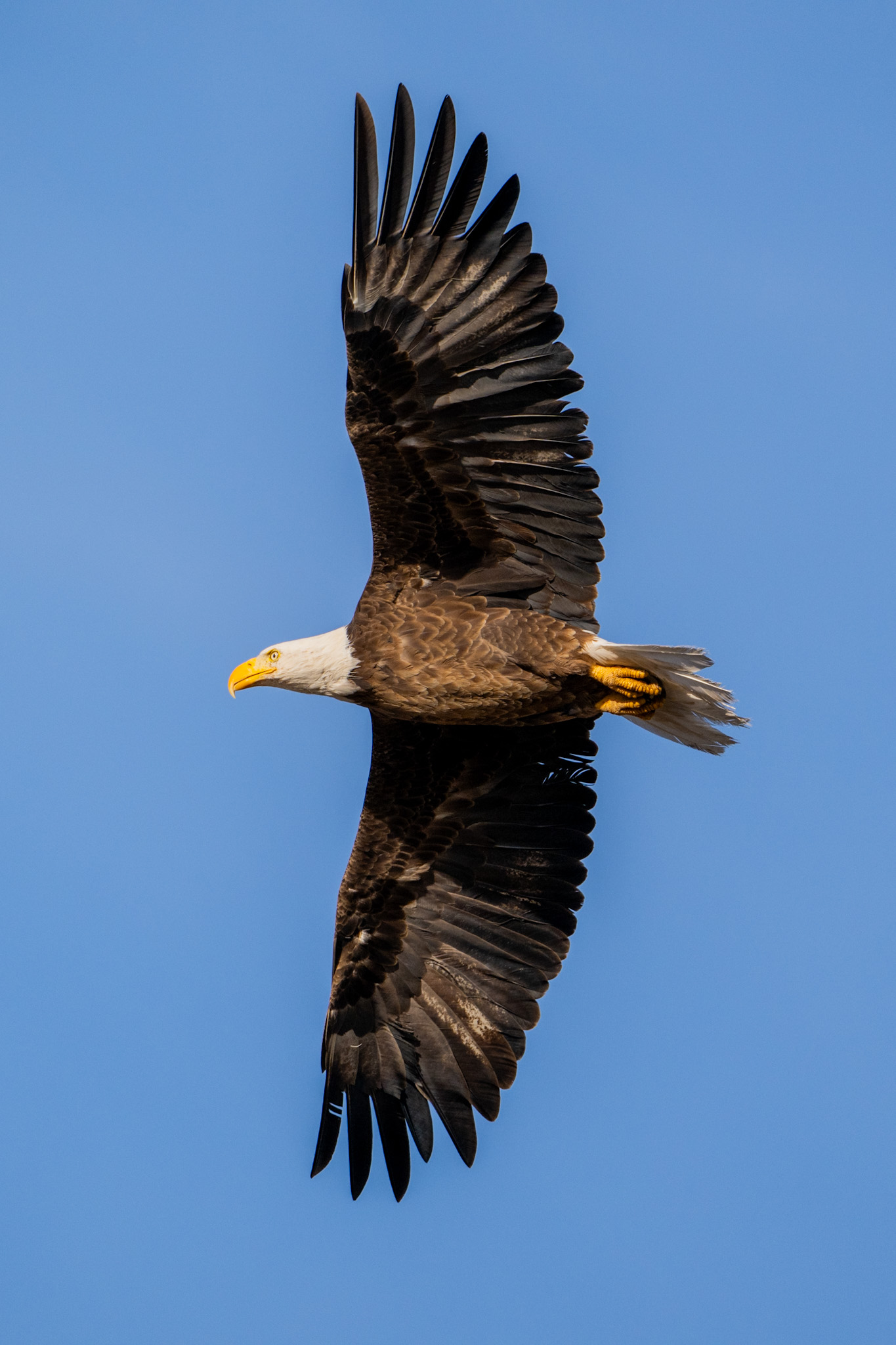
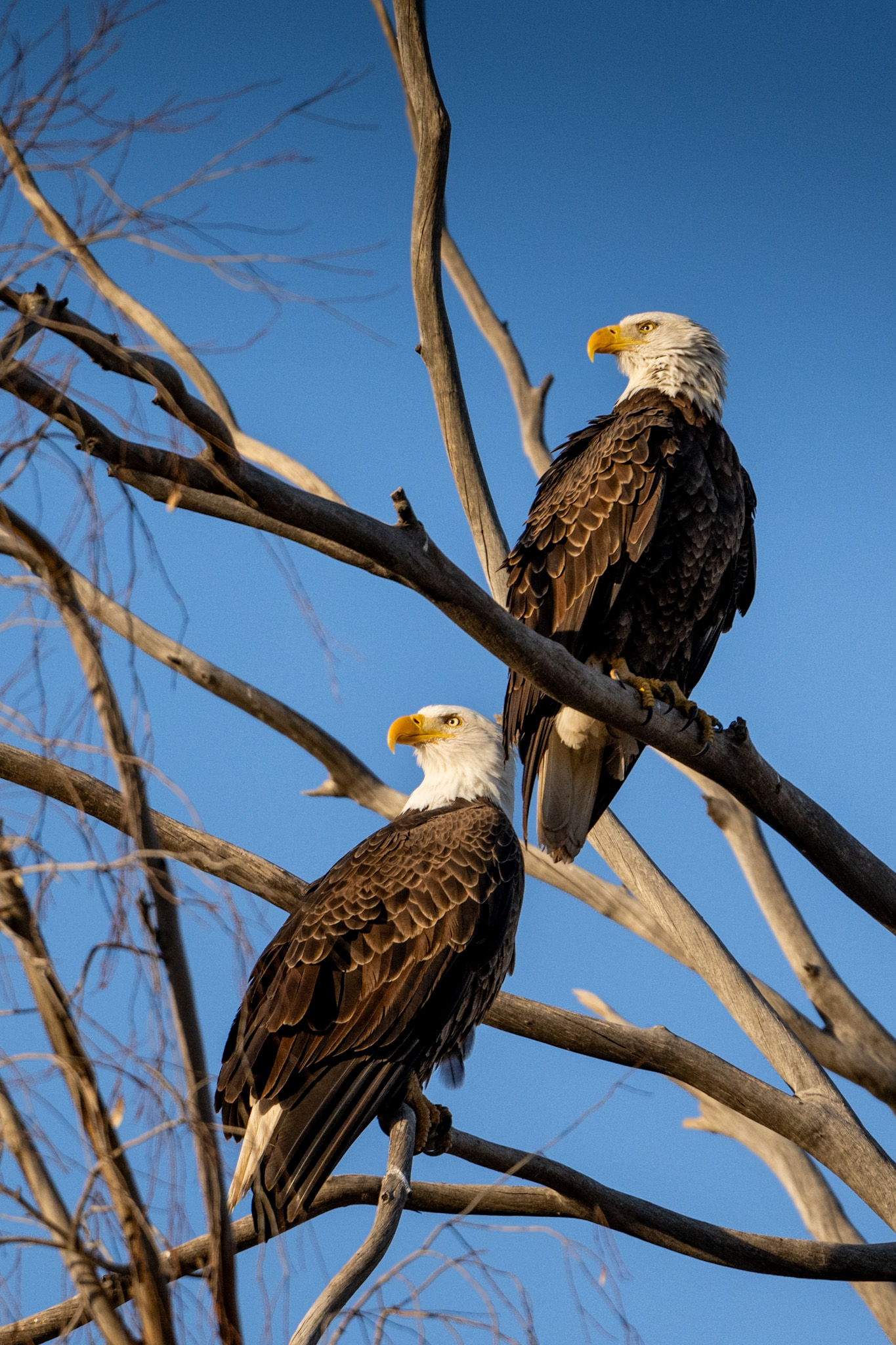
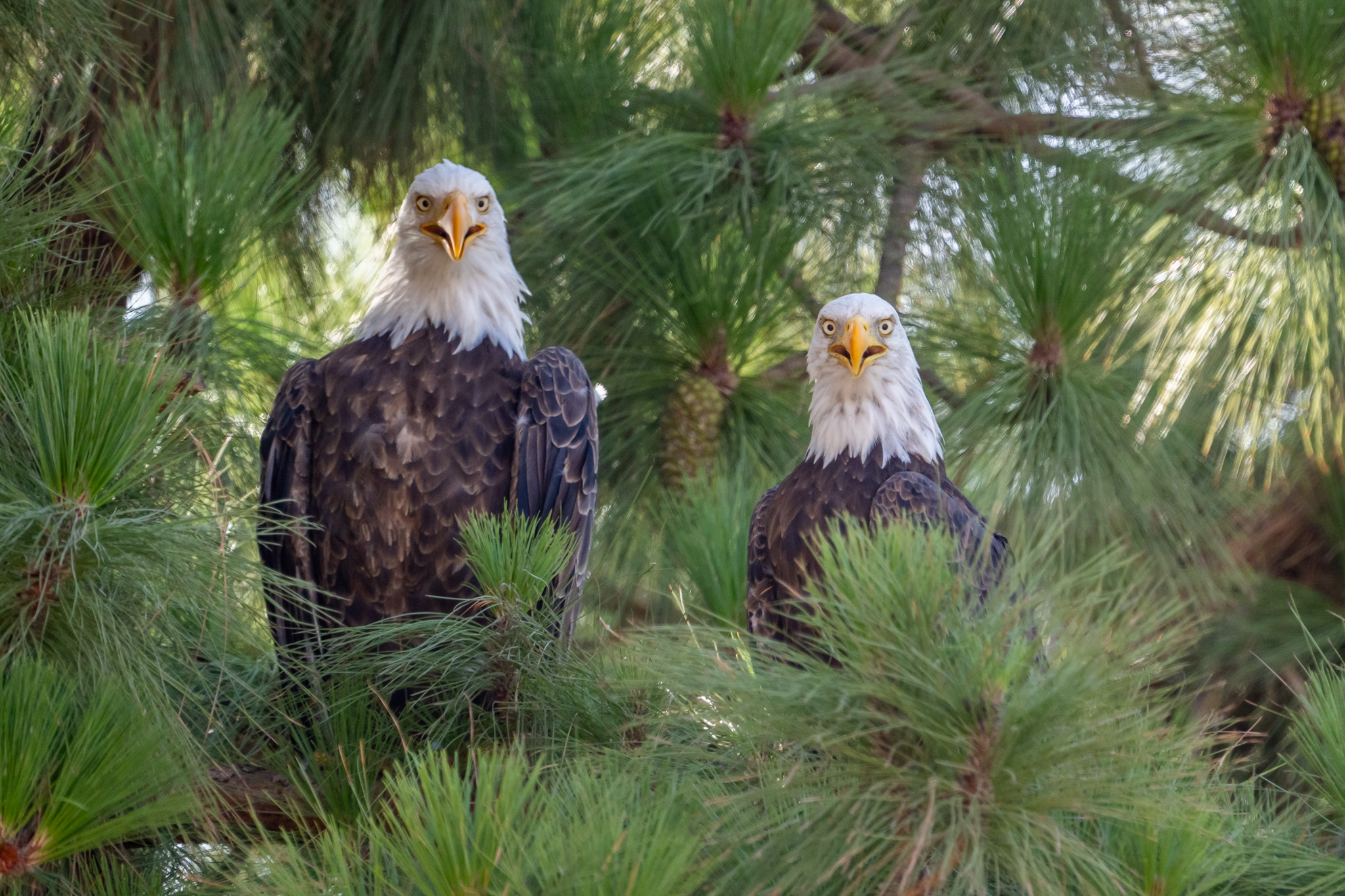
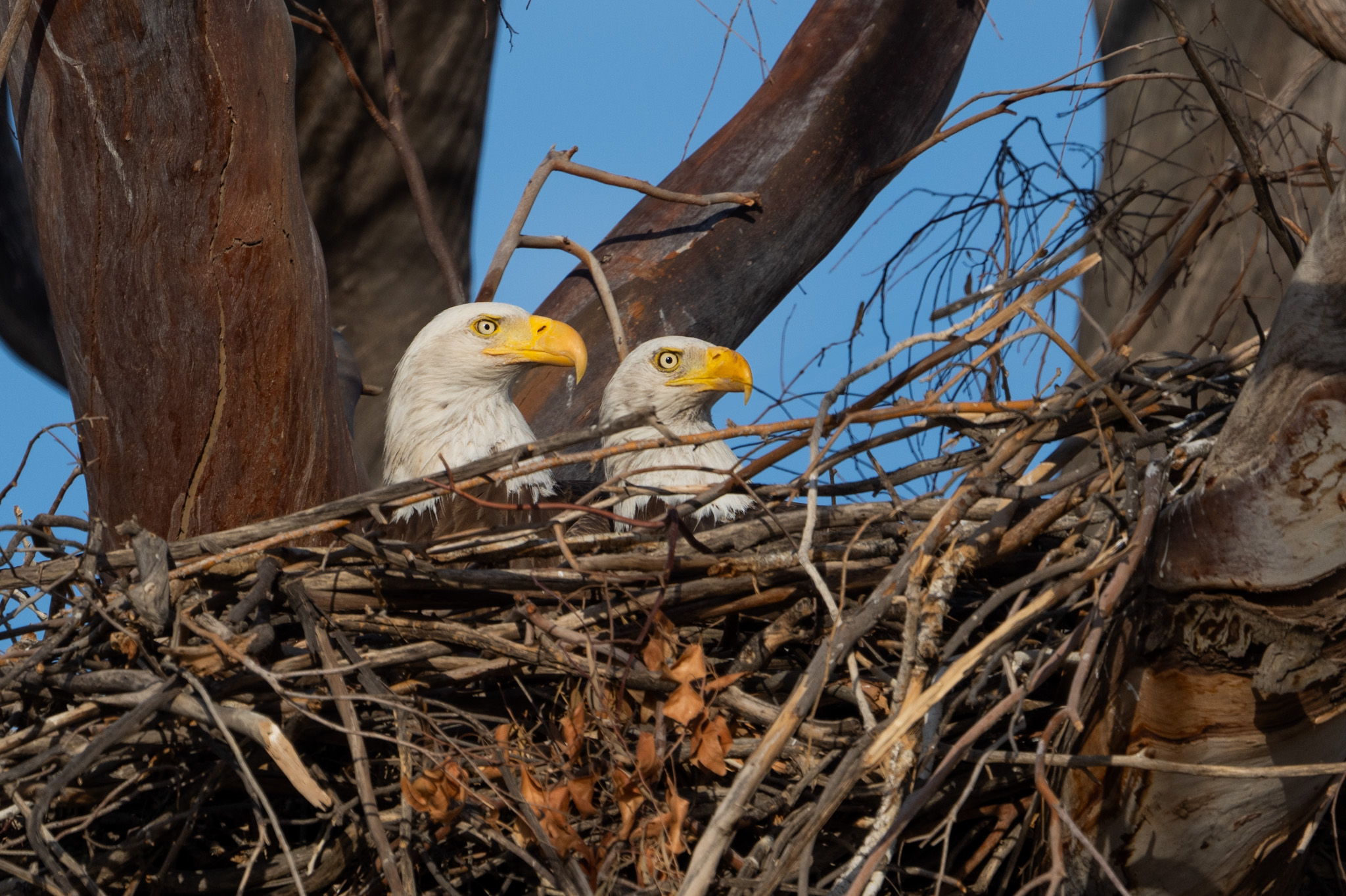
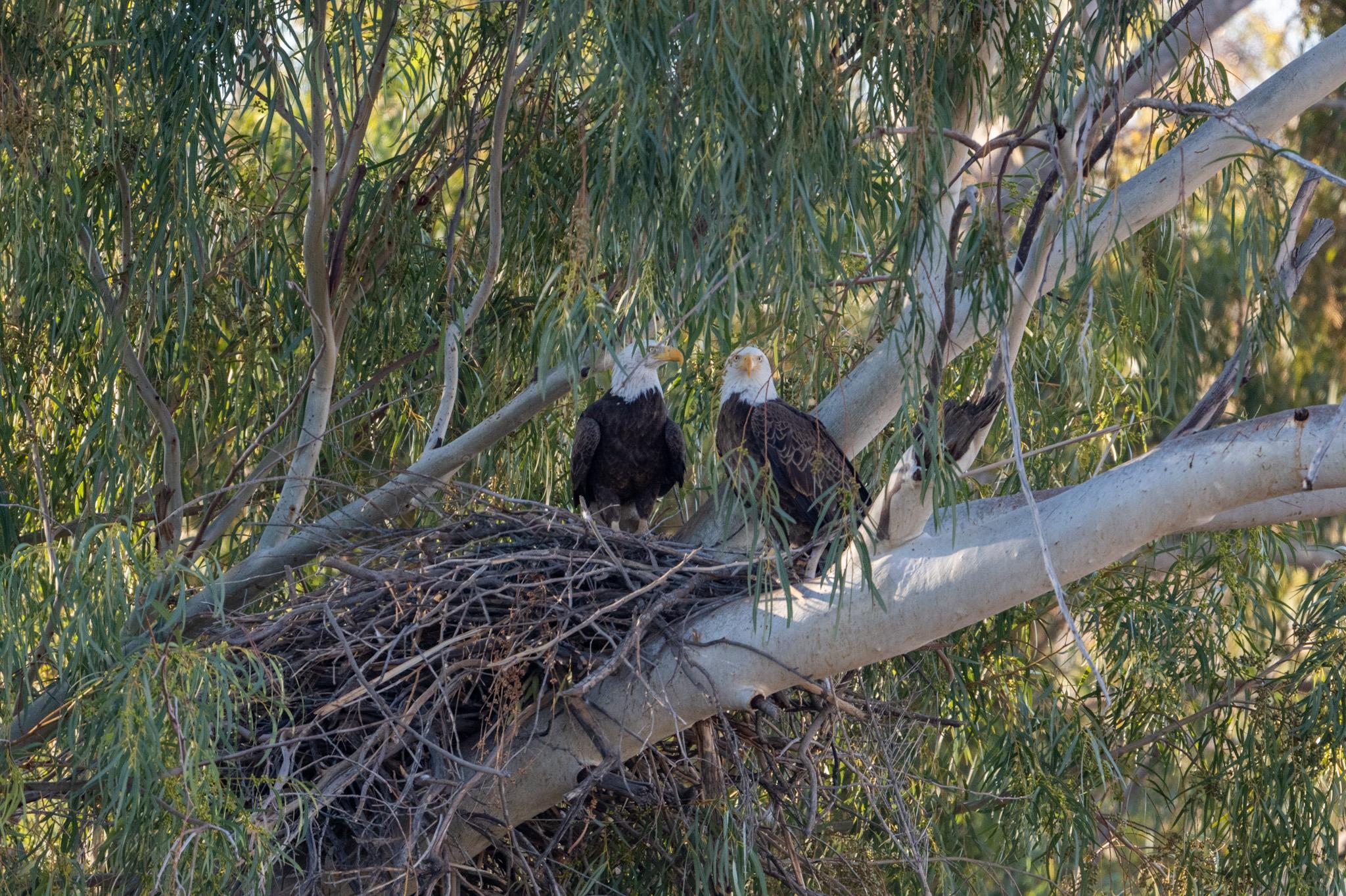
Eagles in the desert?! Yes! In the Southwest our desert rivers and lakes support a uniquely-adapted population of Bald Eagles, considered a distinct population from other eagles of North America. They are known as Desert-Nesting Bald Eagles, able to nest in high heat and low humidity conditions. They are not part of the population of eagles from the north that migrate to Arizona to over-winter and then migrate north in spring to breed. Our desert nesters reside here year-round.
These eagles breed along the Salt River and Gila River as well as lakes scattered throughout our state. They will nest on cliffs, saguaro cactus, snags, and trees (especially cottonwoods in lower elevations and evergreens in higher areas). Because of the scarcity of suitable trees in the desert, they will occasionally use man-made structures such as nest platforms, powerline infrastructure, radio towers, and even a drag line crane.
They nest earlier than northern bald eagles, laying eggs end of December through January with hatching in January and February in the desert elevation and March/April in higher elevations. The young eagles generally fledge before the extreme heat of summer.
Arizona has a relatively small population. In the 2025 nesting season there were 81 active breeding areas resulting in 71 young eagles fledged.
Their diet is primarily fish but can also include waterfowl (especially coots), small mammals, snakes and carrion.
Threats include habitat loss, lack of mature trees for suitable nesting sites, drought and increasing human disturbance from high recreation pressure. They are also at high risk for lead poisoning from lead-shot carrion and lead sinkers in fish.
Arizona eagles are closely monitored by the Southwest Bald Eagle Management Committee, SWBEMC, through AZ Game and Fish. Ground and helicopter surveys are done. Through careful monitoring and management the population has increased. Liberty Wildlife has worked closely with the SWBEMC for many years.
Arizona has a unique Nest Watch program to aid in monitoring nesting areas and sites. Each year a designated number of nests are assigned observers who monitor the nests sunrise to sunset, 10 days on and 4 days off. They are present from incubation to fledging. They multitask, collecting observation data, behaviors, environment, potential threats (usually human encroachment), emergency assistance and report to AzG&F.
For more in-depth information on the Management Committee, Nest Watch Program, nest site breeding results and yearly production numbers go to SWBEMC.org.
References: SWBEMC.org, azgfd.com, desertvibe.com
*All photos in this series by Doug Coxon
More from Nature News
© 2026 Liberty Wildlife - Privacy Policy