This Week at Liberty
November 3, 2026

Hoots, Howls, and Hollers
Megan Mosby
Executive Director
A Cauldron of Bats
Spooky time is behind us, but it left me wondering… just why did bats evolve such a bad reputation? Just why does a cauldron of bats always come with bad witches stirring up trouble? Or why does the nocturnal operating bat fly into the cellar, crawl into the coffin and shun the light of day? Think vampires in movies and stories….
It doesn’t seem warranted or fair. In fact, 20 to 25% of all mammals are bats and despite their ability to fly like a bird… they aren’t one, but they are more agile. Bats are members of the Chiroptera order. If you are counting, they are just behind the rodent family in numbers. There are 1500 species of bats who for the most part are very, very beneficial to mankind. Two of the most numerous are insectivores and frugivores…and then there are the vampire bats. We will come back to them shortly.
Pest Control & Pollination
The insectivores are a blessing. They consume 120% of their body weight in insects daily—think mosquitoes, spiders, scorpions, flies, beetles, moths, grasshoppers and termites. The farming community benefits from a reduced need for pesticides and according to Wikipedia their vociferous consumption saves 3.7 to 53 billion dollars per year in lessening the use of pesticides and damage to crops. The added benefit of not becoming resistant to pesticides in the future is also to be applauded. The fruit eating bats consume both fruit and nectar and in the process act as pollinators for over 500 species of plants. They are also active in assisting with the spread of seeds as they perform their nocturnal activities. What’s not to love about these megabats.
We haven’t addressed the three paltry species that feed on animal blood and because of these outliers, the bats get a bad reputation. These vampire bats are attracted to sleeping animals and are deft at slicing open a bit of skin allowing them to sip the flowing blood…but that doesn’t seem equal to the centuries old reputation afforded to the entire Chiroptera order.
Gardens at Liberty Wildlife
We are considering all of these things as we embellish the butterfly and pollinator gardens on our campus in the next few weeks. We are totally in to adding milkweeds for butterfly attractants in our butterfly garden, and just for good measure we are going to add night blooming plants to attract bats into our habitat. Night blooming cactus, daturas, and other plants of the night will hopefully call out to our very helpful friends, the bats.
I understand the fear garnered by the thought of blood sucking flighted creatures of the night, but let’s give the 1497 species a hand in doing what they do so well and send the odious vibes away for the rest of the year…next spooky season will be here soon enough, and we must remember during that time to celebrate Bat Appreciation Week October 24-31st. It is only fair.
This Week @ Liberty
The intake total for the year is now up to 11,060.
It’s finally happening! It’s cold enough at night to open those windows and have that nice, fall breeze waft through our homes. Layers are a must this time of year; I’m freezing in the morning while I walk the pups and hot by 11am when the sun is officially up.
To be honest, it’s fine. I love it, and I know our animals do, too. My pups have had some seriously extra energy lately, just like a lot of our ambassadors here at Liberty Wildlife. Everyone is a little “spicy”, and we’re all here for it. Especially because we know that, in a few short months, this cool breeze will disappear and we’ll be right back into that summer heat and with it, all those babies (and more babies and more babies!).
I think I’ll savor it all while it lasts!
By: Acacia Parker | Public Outreach Coordinator
Sometimes You Need to be in the Water to Fly
Listen, it sounds crazy; birds who need to be in the water so they can fly? That’s supposed to be their jam! They fly and do all the things, that’s what makes them birds!
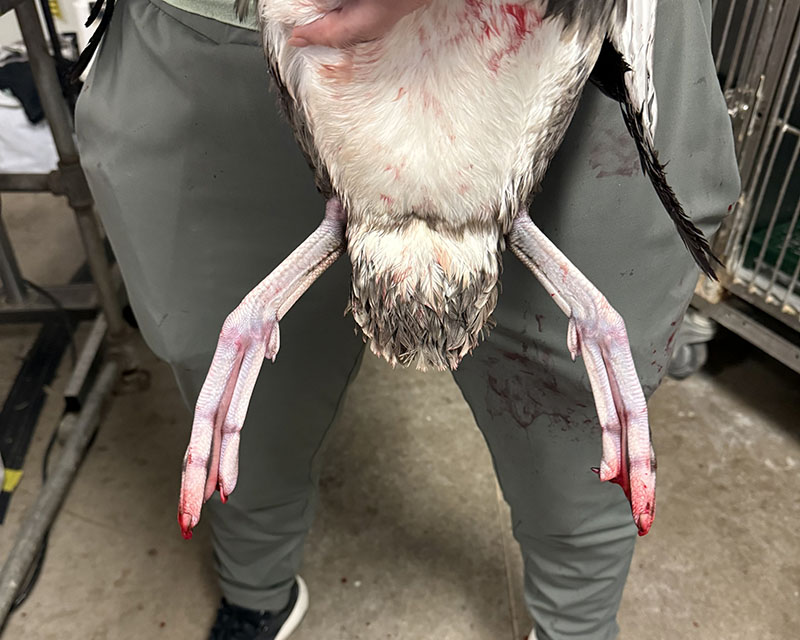
Well, believe it or not, it’s true that there are quite a few bird species in Arizona who need to be IN the water to fly (or at least to take off). And there are others who are just better with the water, because dry land can make it more of a challenge. Grebes, for example, have their feet set further back on their bodies; it makes them incredibly strong swimmers and divers; they “run” across the water’s surface, flapping as they go, to take flight (which is super difficult to do on land!). American coots, however, with their lobed toes also sprint across the water OR land, though they prefer the water (easier surface).
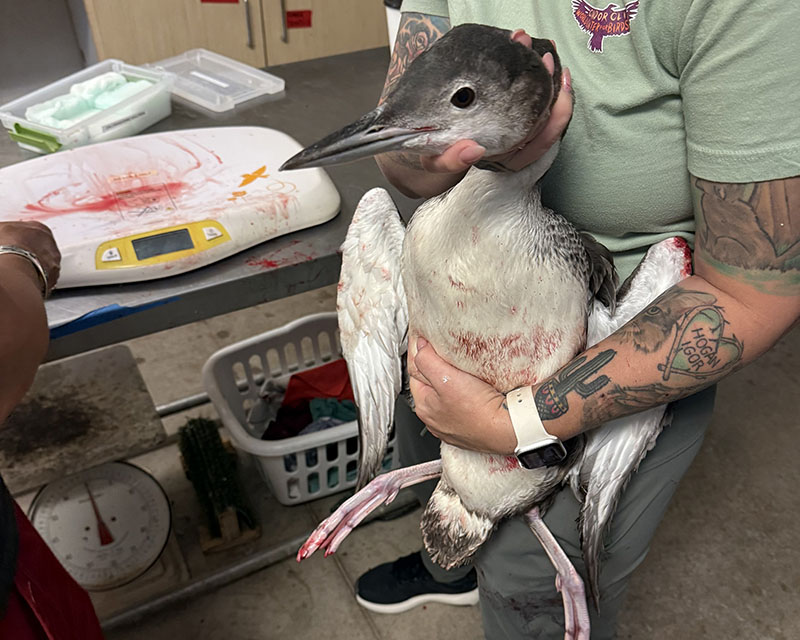
The ones who absolutely, 100% need to be in water to take flight, are loons. Though not commonly found in Arizona due to their need for large bodies of water to catch their prey (small fish) and take flight, the large storms we’ve been having push some of these birds our way (there are RARE occasions where these bird will migrate through, but it’s not a normal occurrence here in Arizona). Not only that, puddles on concrete, from high above, look quite similar to a lake—it’s often how these birds are brought to us. They mistake the puddles for a great big lake, land, and realize it’s not quite what they expected. And with their feet positioned far back on their bodies, it makes it incredibly difficult to walk on land. In fact, they need about 30-50 yards of open water (which they “walk” on while flapping their wings) to take flight.
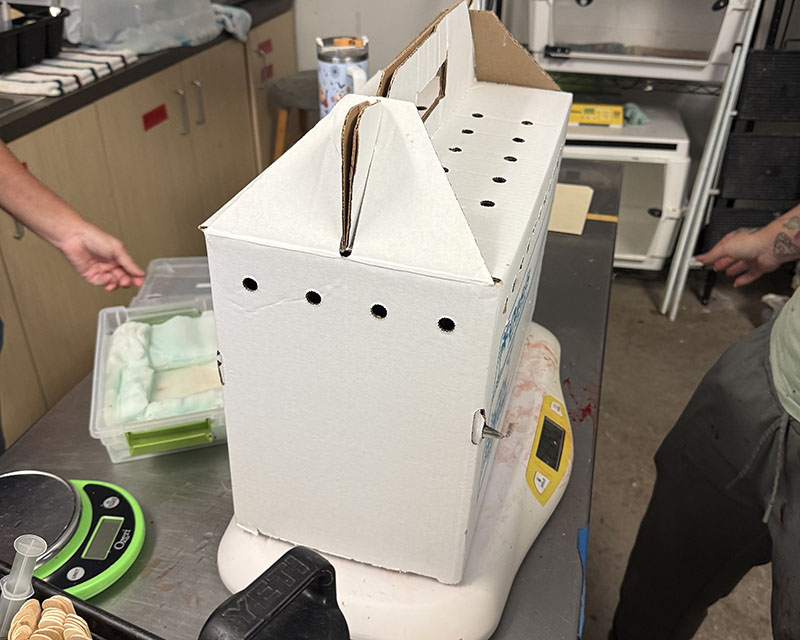
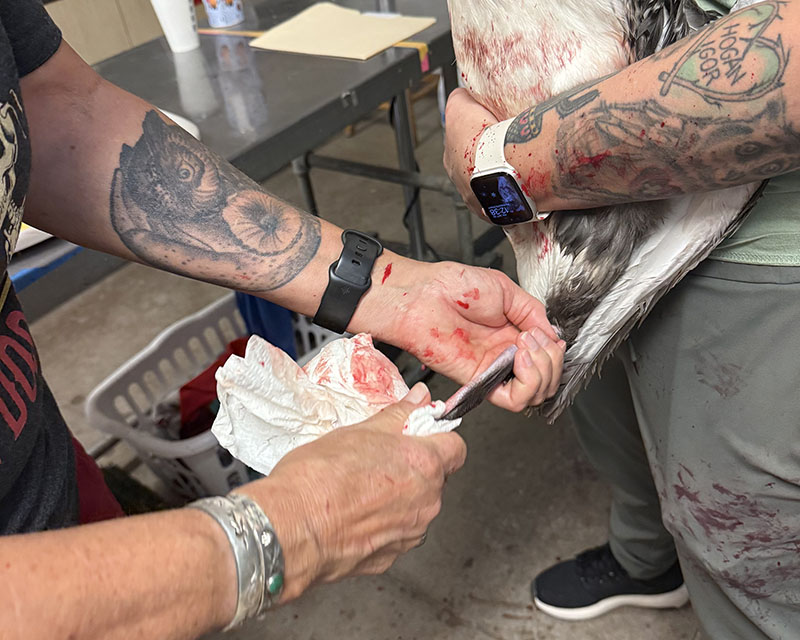
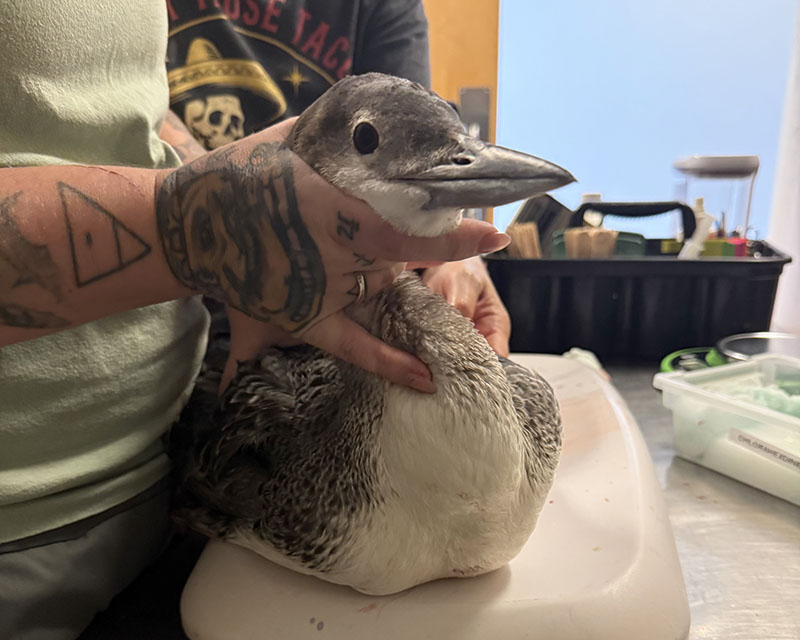
It’s exactly what happened to this juvenile Pacific loon brought in on all hallow’s eve. A good Samaritan saw the Pacific loon on the ground, struggling to take flight, and called us right away. Our medical team was able to assess the bird for injuries and confirm the large water bird had worn down his toenails attempting to get up out of the “lake” he’d found himself in. After cleaning up his toes, stopping the bleeding, and administering a long-term antibiotic, one of our volunteers took him to an actual lake, and off he went!
To say we love these kinds of stories is an understatement. Often times, animals come to us with fractures and injuries that require time to heal; to have a bird dropped off, assessed, and gone within an hour—back where he’s supposed to be—is a feat all its own.
We have all of you, and our amazing volunteers, to thank for that!
By: Acacia Parker | Public Outreach Coordinator
Notable Mentions
If you were here on October 24th, you hopefully won some amazing prizes at our silent auction at Wishes for Wildlife! It was a great night, with great company, amazing animals, and lots of good food and drink. Remember to stop by for our free Native American & Wildlife Festival, happening November 15th — more info here.
Without further ado, here are this week’s notable mentions:
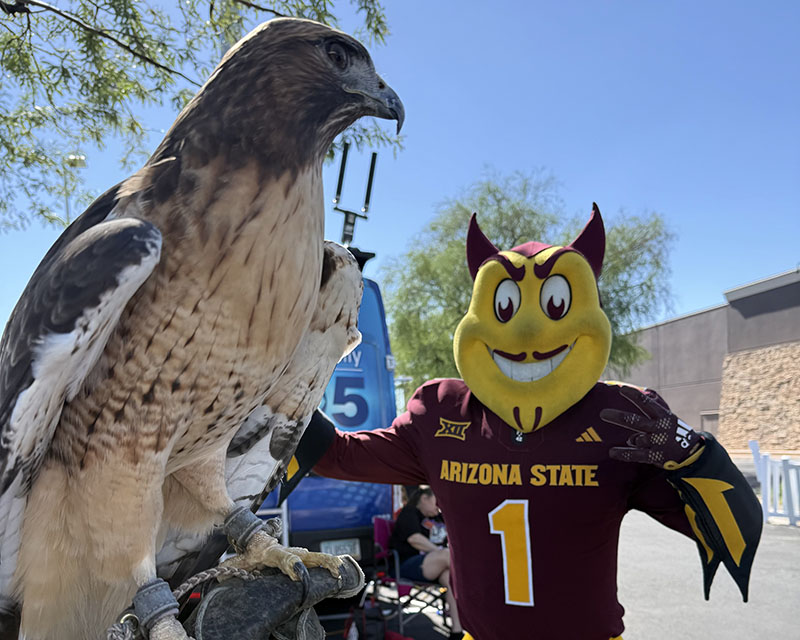
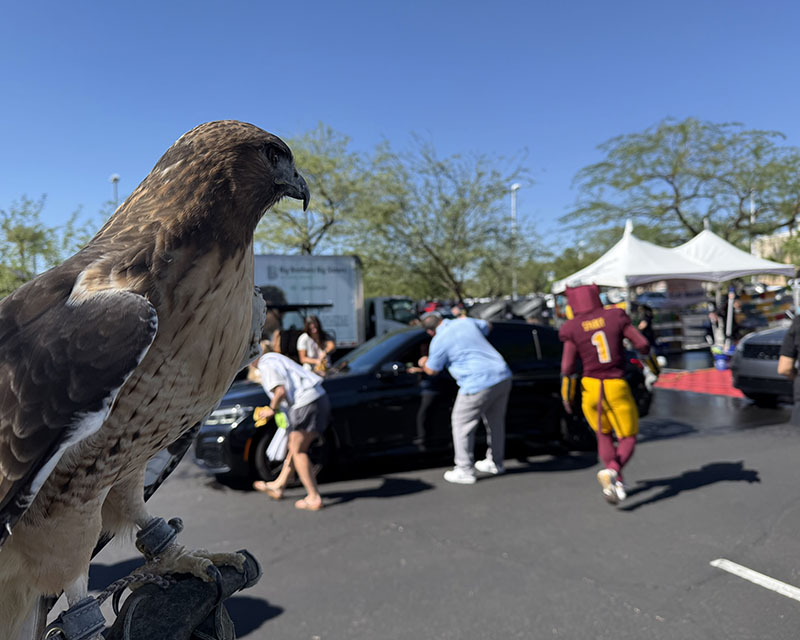
- Arya the red-tailed hawk hangs at Kohls at Desert Ridge for Paul Horton’s boys and girls club car wash day (2 photos)
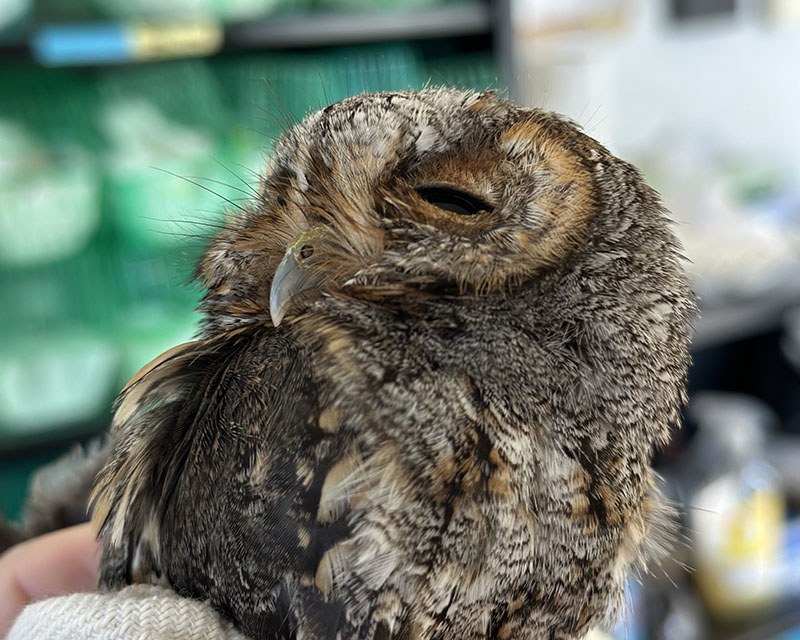
- A flammulated owl drops in with an unfortunate fractured humerus (2 photos)
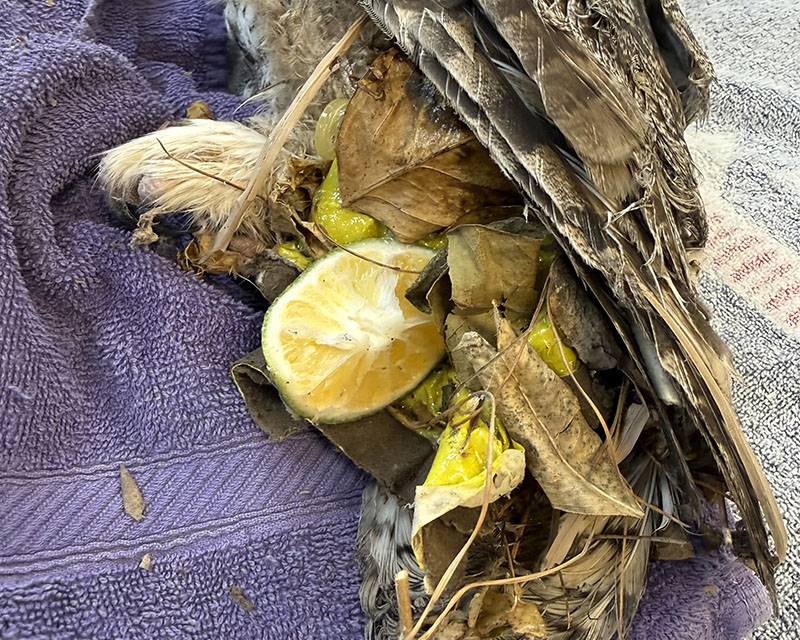
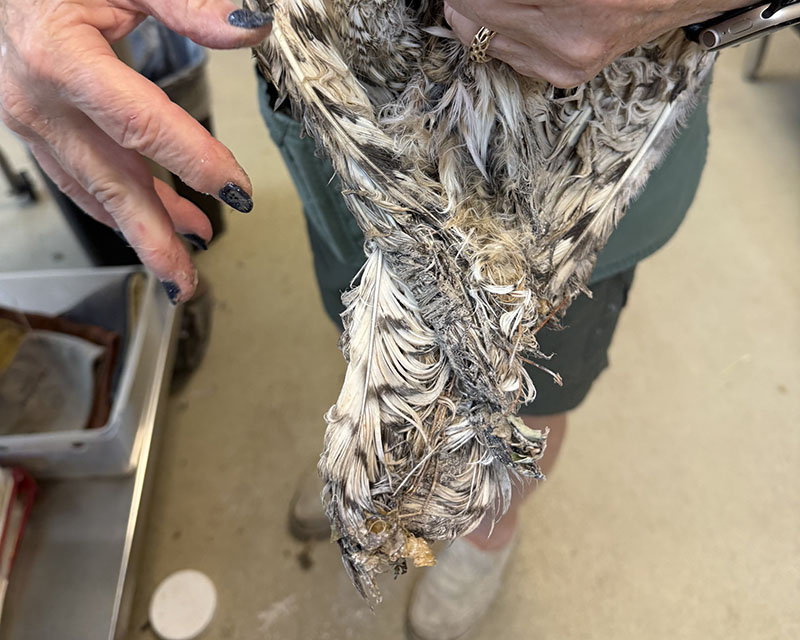
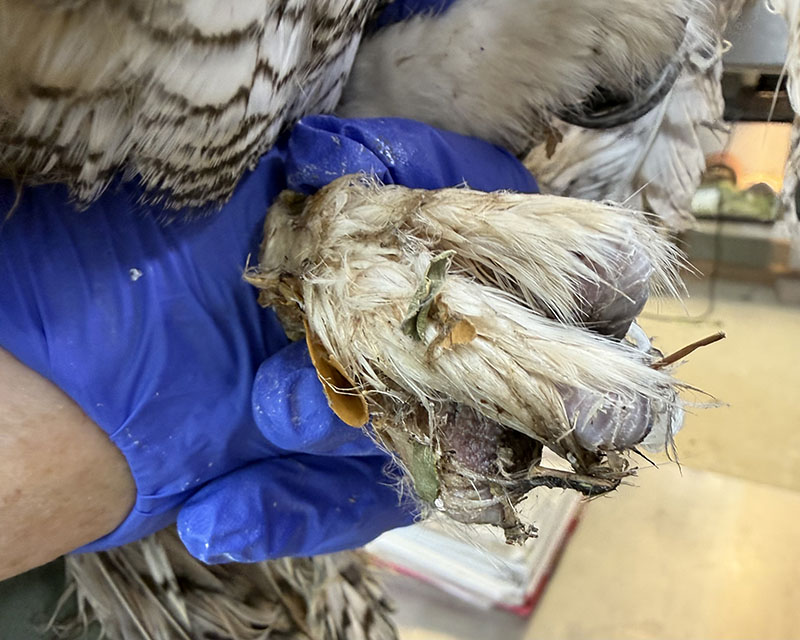
- The second great-horned owl in 2 weeks comes in with multiple glue traps on her feathers (3 photos)
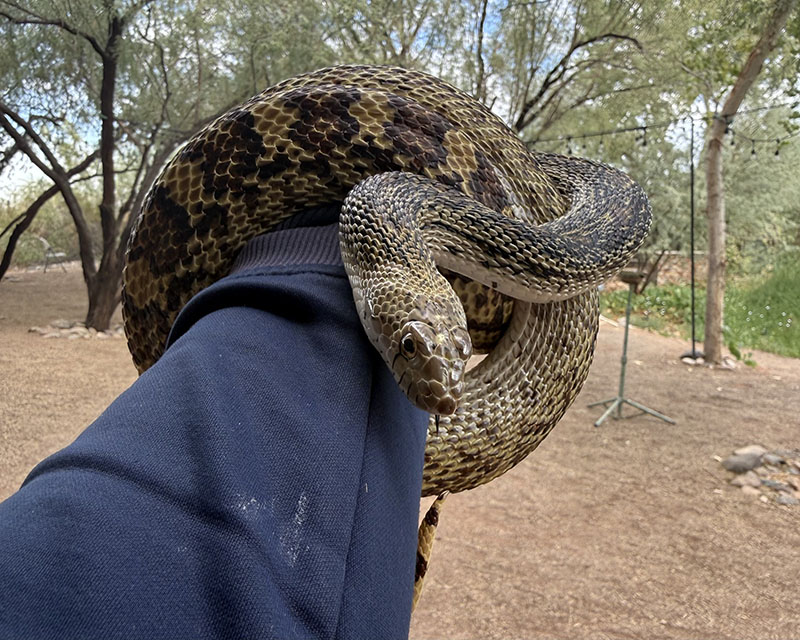
- Elmer the gopher snake says hello to a first-grade field trip on-site (1 photo)
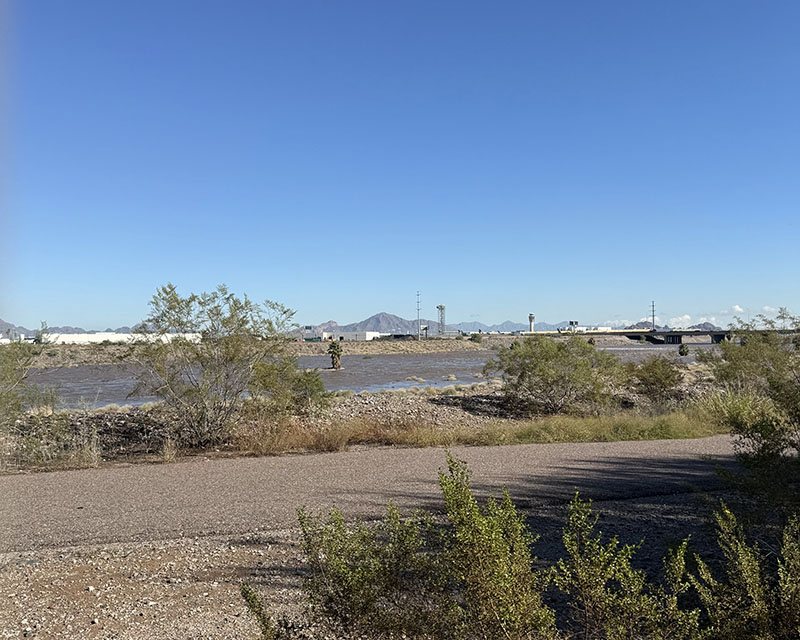
- The Rio Salado is FULL after our storms! (1 photo)
As always, thanks so much for reading and keeping an eye on our Arizona wildlife!
Until next time!
By: Acacia Parker | Public Outreach Coordinator
More Posts from Liberty Wildlife
November 6, 2024
Finally! We made it! Jacket weather is upon us, and with it, a little bit of much needed rain. I was happy to sit outside with my new pups to enjoy it, too.
May 5, 2026
Aside from my regular habit of birding in my yard, I take great pleasure in the early morning exploration of the Riparian Preserve at Water Ranch in Gilbert, Arizona.

© 2026 Liberty Wildlife - Privacy Policy