This Week at Liberty
October 6, 2026

Hoots, Howls, and Hollers
Megan Mosby
Executive Director
The Value of Pollinators
Change is always a constant at Liberty Wildlife. Programs grow and change. Staff and volunteers come and go. Animals heal and leave. Guests come… and come back if we are lucky and doing things right. And, we are also always hoping for guests of another kind, pollinators, to visit. We hope they are attracted to our gardens and continue to come and go…doing what they do best…pollinating.
Unless you have been living in a cave somewhere, you are undoubtedly aware of the value of pollinators. I have read that pollinators of one kind or another are responsible for one out of every 3 bites of food consumed by humans. They ensure that seeds, fruits and new plants are secure in nature. Our gardens, full of flowers, not only bring us aesthetic bounties, but our agricultural fields keep us fed and thriving. Doing without either isn’t really an option.
If You Build It… Garden Edition
To that end we have embarked on a rejuvenation of both our pollinator garden and our butterfly garden. The heat of the summer is a challenge to those two spots and after some thorough clearing we are ready to install more plants designed specifically to attract pollinating critters like birds, bats, bees, and butterflies for a start.
In the next few weeks, we plan to add an above ground watering system to supplement the needs of some of the pollinator plants insuring a strong start for them. Milkweed, in particular, is thirsty as it gets established, and we want to be sure the donated (by Desert Botanical Garden) milkweed starts are strong and viable when the pollinators move in. And, we hope they do.
The Oft-Overlooked Nighttime Pollinators
In the meantime, we are anxious to also invite the nighttime pollinators to our grounds. Bats are always welcome for all the good they do both spreading pollen and eating mosquitos… and joining the bats are the multitude of moths that spread their pollinating charm…and their beauty in the night.
Our volunteers, staff, and our youth programs are going to band together as our pollinator patrol. We have plantings on the agenda as soon as the additional water sources are added. And, then we watch and document. In particular, we hope to see a plethora of monarch butterflies leaving eggs that turn into caterpillars who depend on their growth from munching down on milkweed leaves.
Fun Fact about Milkweed
An interesting side note is that the milkweed leaves are toxic to most. The monarch caterpillar is designed to ingest them, adapted to living with the toxicity which in turn protects them from predation. Predators learn the vivid patterns of color on the butterfly and don’t eat them, relieving the butterflies of yet one more assault to their wellbeing as a species.
Watch our gardens grow and cheer on our pollinators as they do their things…Isn’t nature smart …and cool?
This Week @ Liberty
The intake total for the year is now up to 10,775.
We’re so close to cooler weather, I can feel it in my bones!
With that being said, we’re not quite there yet. And if you think this warm weather affects just us humans, you’d be entirely wrong. With the mix of cool in the morning and warm in the afternoon, it means our raptors are a little spicy – they’re excited for the drop in temperature and it makes feeding time all the more interesting. For migration, it means sometimes those animals heading through our state stop for a hot minute before it cools off (certainly makes for better travel) and we get to see them on occasion as they stop and hang at the wetlands (sometimes you get a quick glimpse of bright yellow but it’s always too quick for me to decipher).
All in all, I think we’re ready for those cool days and cool nights. I’ll be sending out good vibes for all the things.
By: Acacia Parker | Public Outreach Coordinator
How Birds of Prey Eat
It’s an interesting thing, these birds (obviously). With over 500 raptor species across the world, with variable diets and the different amounts they eat, the multiple times of day that they hunt, or their choices in target prey, one thing remains true: how they actually eat their prey is pretty similar.
The very definition of bird of prey (or raptor if you want to get fancy) is a carnivorous bird who actively hunts and feeds on other animals (mammals, reptiles, fish, and smaller birds). It’s their whole MO; and with that MO comes traits like sharp, hooked beaks, powerful talons, keen eyesight, and for some (like a turkey vulture) an extreme sense of smell. You’ve even got the diurnal raptors (day shift), crepuscular (mid-shift if you will – this means they are most active at dawn and dusk), and nocturnal (night shift). But despite the differences in size and wingspan, how they catch their prey or if they’re going for carrion (dead stuff), they’re likely to eat most of their catch in the same way.
The first step: Bite sizes
Once their prey is caught, they will typically hold it with those sharp talons that helped get their meal in the first place and begin tearing the meat apart. Nothing is off limits, either. Feathers, bones, vital organs, scales; any and all things are food for raptors. Sometimes these chunks can be rather large while other times it can be tiny bite-sized pieces (a full-sized bald eagle is going to eat much larger pieces than a hatchling of the same breed). Sometimes, if prey is small enough (voles, shrews, mice), they can be swallowed whole.
The second step: the Crop
Most diurnal raptors (hawks, falcons, vultures, eagles) have an expanded pocket in their esophagus that allows for temporary food storage. This is why birds of prey can swallow huge amounts of meat and do so quickly; the crop will store this food for later so not only did they catch and enjoy their meal (and hopefully without issues from others looking for a meal), this rapid intake gives them time to fly away, hang, and digest their meal slowly.
Fun Fact: Owls do NOT have crops, meaning their food is processed directly.
The third step: Casting Pellets
For anyone who’s been in a fun science class, you know exactly what I’m talking about! A raptor’s stomach has two parts: the glandular stomach which secretes acids to break down meat, and the gizzard, which deals with the stuff that doesn’t digest so well (like the fur, feathers, and bones). For hawks, falcons and eagles, this means the glandular stomach can digest most of the bones while the gizzard handles the rest. For owls who have a weaker stomach acid, it’s their gizzard that’s going to work hard to grab all those bones and fur.
Regardless, the result is the same in all raptors. Less than 24 hours after eating, they cough up a pellet, a compressed casting with all those bits their body didn’t want to deal with.
And, voila! The process is done, they’re full and ready for their next adventure (ie: their next meal).
By: Acacia Parker | Public Outreach Coordinator
***WARNING: THE BELOW VIDEO CONTAINS A BALD EAGLE EATING: MAY BE GRAPHIC TO SOME VIEWERS***
Notable Mentions
As always, thanks so much for reading! We’re moving into October, and those who follow us know that means we’re now back into fall Public Hours; 10am-1pm on Wednesdays, Saturdays and Sundays, with keeper talks and our flight/eagle show. We also have our annual fundraiser, Wishes for Wildlife, happening Saturday, October 24th; make sure to buy your tickets here!
Without further ado, here are this week’s notable mentions:
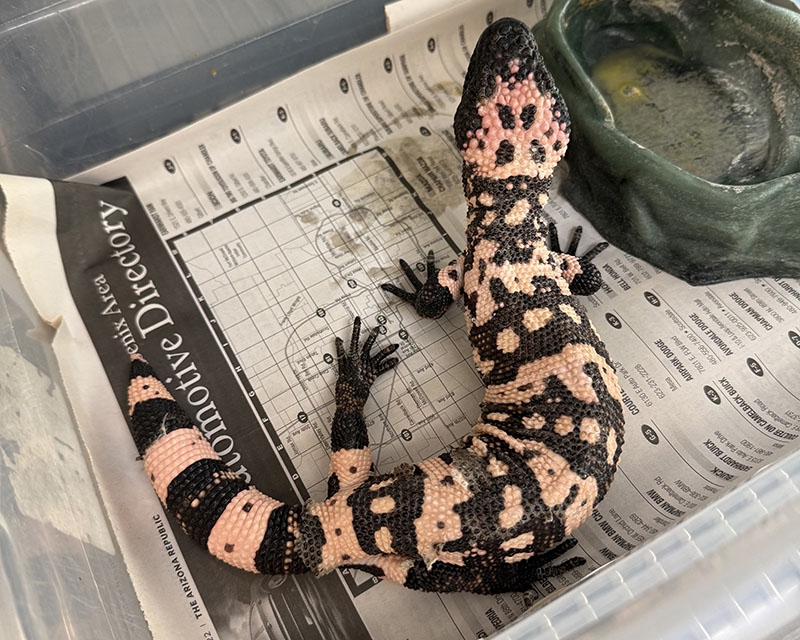
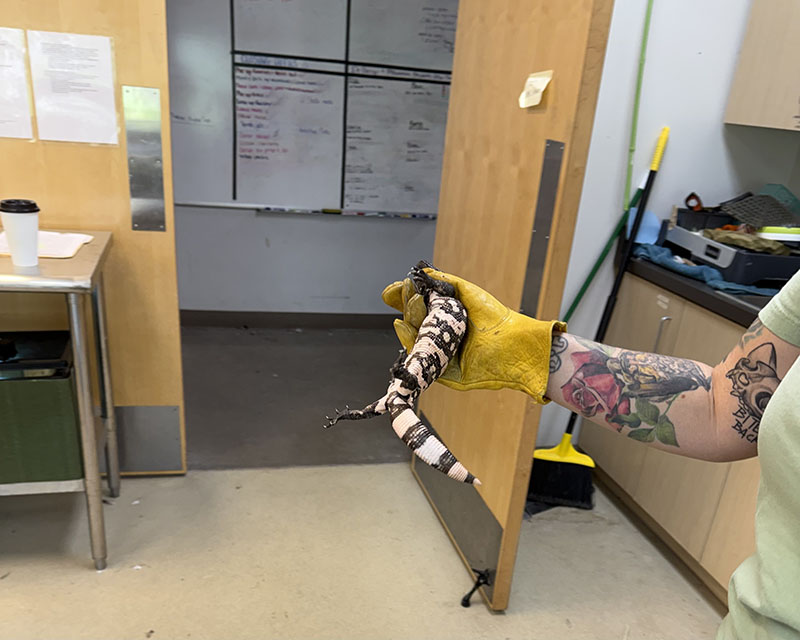
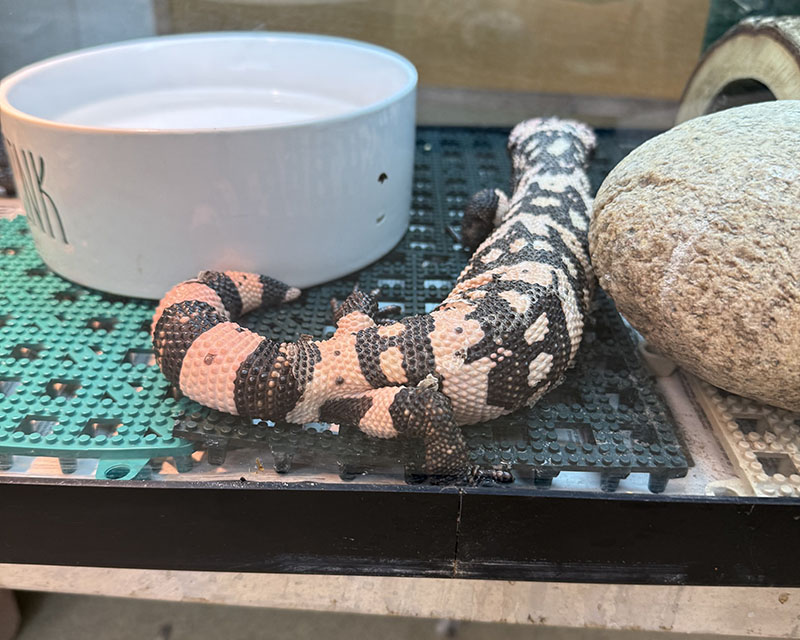
- A Gila monster gets fed in a smaller enclosure before being moved back to a larger one (3 pictures)
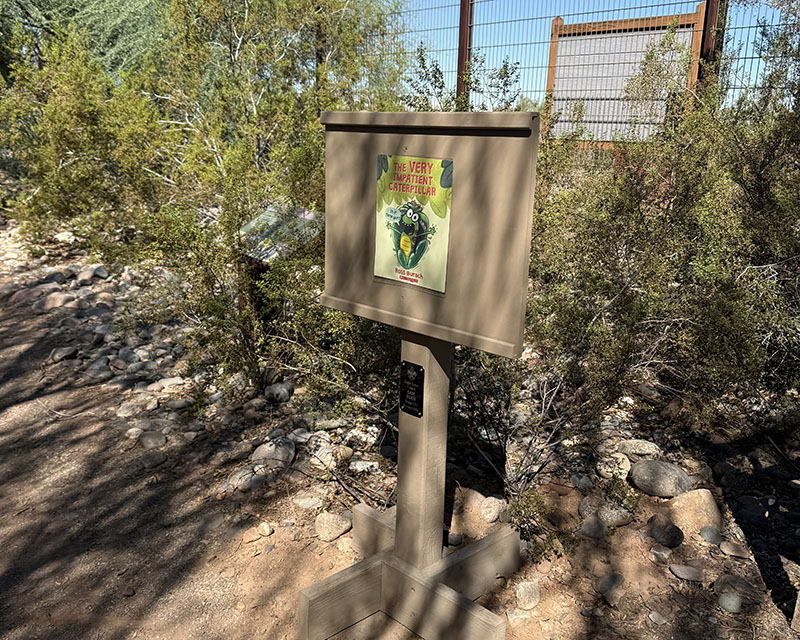
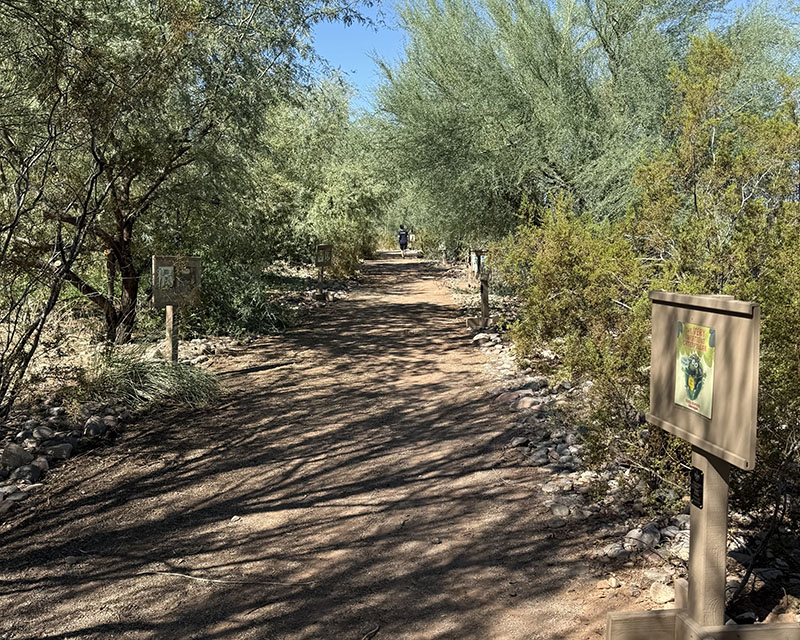
- Our story board walk is ready for public hours: thanks to ADP who spent their morning volunteering to set it all up! (2 pictures)
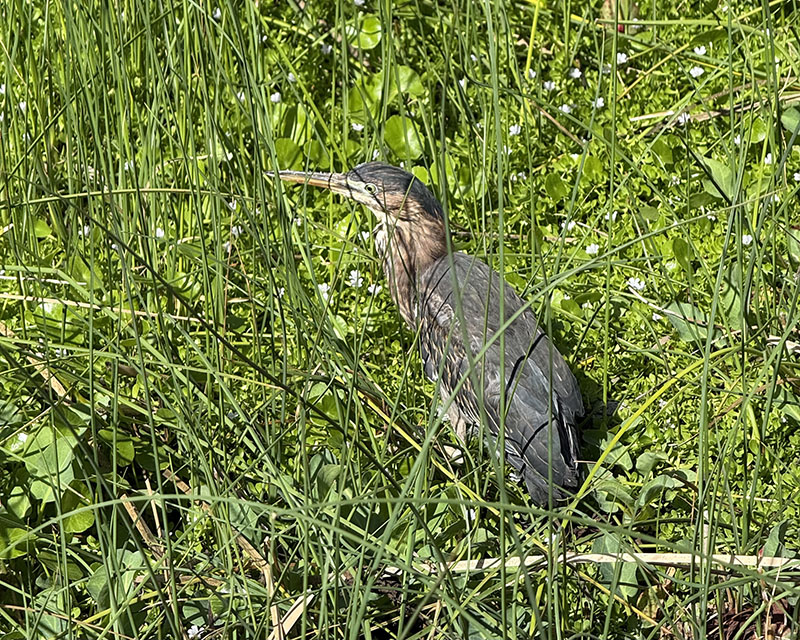
- A green heron drops by the wetlands (1 picture)
Here’s to hoping we see you at the fundraiser!
By: Acacia Parker | Public Outreach Coordinator
More Posts from Liberty Wildlife
December 17, 2024
Every year, I tell myself I’m going to start shopping for the holiday in November so I’m done in December and all that’s needed is to wrap. Well, like most every year before this, that definitely didn’t happen.
October 8, 2024
It’s usually the theme that, once October hits, the rest of the year goes by in the blink of an eye.

© 2026 Liberty Wildlife - Privacy Policy